In 2014, the film landscape underwent a seismic shift with the release of John Wick Chapter 1. This thrilling action film not only introduced audiences to Keanu Reeves’ iconic character but also redefined the action genre by exploring the profound themes of love, loss, and revenge. John Wick Chapter 1 serves as a compelling catalyst, diving deep into the concept of vigilante justice while also unpacking the emotional turmoil of a man pushed to the edge. The film embodies the tension and excitement that keeps viewers glued to their seats, while simultaneously inviting deeper reflection on what drives a person to seek retribution.
Set against a meticulously crafted underworld of hitmen, John Wick Chapter 1 transforms what could have been a mere revenge tale into a rich narrative layered with complexity. The protagonist’s internal struggle and his relationships expose the fractures that occur in a life torn apart by violence. This emotional depth resonates with audiences and elevates the film beyond traditional action fare. The themes explored in John Wick Chapter 1 echo in pop culture, making its impact felt not just on screen but in the broader narrative of cinema.
Top 5 Themes in John Wick Chapter 1
The film strikes a chord with its layered narratives and multi-dimensional characters. Here are five notable themes that drive the plot forward:
John Wick’s journey begins with a heartbreaking loss—the murder of his beloved dog, a final gift from his late wife. This chilling act stirs his grief, sparking a relentless quest for vengeance. Much like Maximus in Gladiator, who seeks to avenge the death of his family, John’s pursuit of retribution becomes a visceral exploration of grief. The film positions vengeance not merely as a trope but as an emotional trigger that compels Wick into the shadows of murder and mayhem.
Wick is portrayed as an isolated figure, enveloped in his own demons while navigating a clandestine world. In sharp contrast, the camaraderie among assassins is strikingly depicted. This interplay between loneliness and connection mirrors the dynamics seen in 10 Things I Hate About You, where social structures can be both a source of comfort and conflict. Such rebel friendships highlight the necessity of bonds, even in the most treacherous environments.
Legacy threads its way through John Wick Chapter 1, reflecting not just on John’s dark past but also on his quest to honor his wife’s memory. The stark juxtaposition between his violent history and the peace he craves provides a rich commentary on what one leaves behind. This theme echoes familial struggles in A Quiet Place: Day One, where familial ties serve as a sanctuary amid chaos.
The chaotic landscape inhabited by hitmen underlines the notion of redemption. Wick’s journey, fraught with challenges, reveals that even those entrenched in darkness can aspire toward salvation. This mirrors characters in films like The Matrix, who find liberation amid their own confining realities, thus adding layers to Wick’s fight for emotional restitution.
John Wick Chapter 1 diverges from typical action movies that glamorize violence. Instead, it faces violence head-on, examining its aftermath. The film prompts viewers to reflect, much like the unsettling themes found in Oldboy. Here, violence prompts not just action but also moral inquiry, raising questions about the true cost of vengeance.
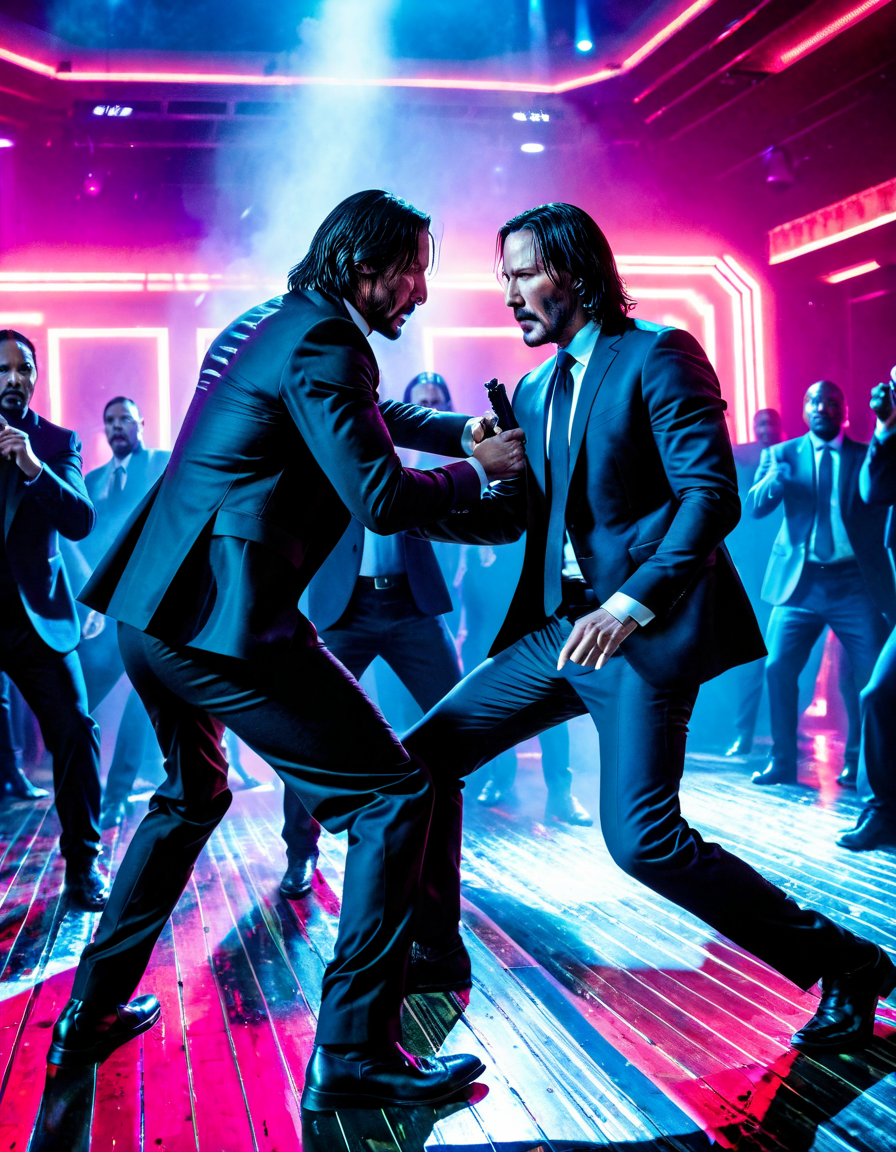
When the Phone Rings: Iconic Moments that Define John Wick Chapter 1
Certain pivotal moments punctuate John Wick Chapter 1, making it memorable. Here’s a look at some of the instances when the ringing phone signifies crucial turning points:
An In-Depth Character Analysis of John Wick
John Wick transcends the archetype of a one-dimensional assassin. Instead, his journey reflects real-world narratives of loss and transformation. Keanu Reeves embodies Wick with incredible emotional depth, bringing forth both physicality and vulnerability that resonate with viewers. His struggles encapsulate the essence of characters like Patrick from 10 Things I Hate About You, who uncover growth amidst tribulation.
At the heart of Wick’s character is the elemental battle between his dark past and the yearning for redemption. Each encounter with an old acquaintance or adversary draws him back into a life he wanted to leave behind. This internal conflict enriches the film’s narrative and serves to compel audiences to empathize with his plight.
Moreover, his relationships are multifaceted. They showcase the fragility and strength of human connections—even within a cutthroat existence. The blend of his past love with the violence of his present paints a portrait that is both tragic and relatable, captivating audiences’ hearts.
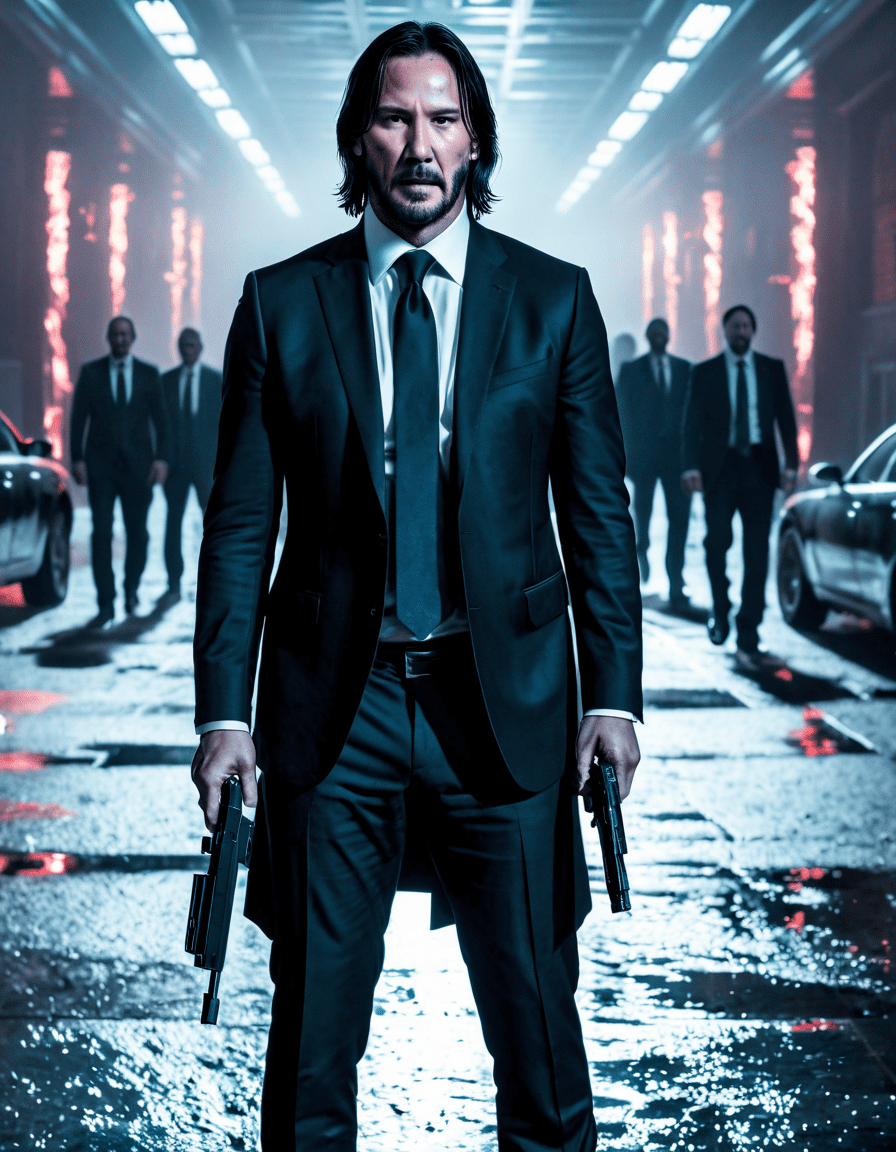
The Impact of Action Choreography in John Wick Chapter 1
A pivotal aspect that distinguishes John Wick Chapter 1 is its groundbreaking action choreography. Collaborations with gun-fu stylists and martial arts experts birthed a new action style, pushing the boundaries of what action sequences can convey. The choreography is as much about storytelling as it is about physical prowess, revealing the emotional stakes tied to each confrontation.
The film’s visual style contributes significantly to its narrative depth. The choreography allows the audience to feel each blow and gunshot, making the violence more impactful. Each sequence tells a story, illustrating how John’s actions unveil both his skills and the turmoil of his past life. It’s choreography that captivates, leaving viewers gasping between the thrills and deeper emotional beats.
As a result, John Wick Chapter 1 establishes a new standard for action films, where the choreography doesn’t merely showcase acrobatics but weaves a narrative thread that stitches emotions and plotlines together.
Final Thoughts on John Wick Chapter 1 and its Legacy
John Wick Chapter 1 transcended the conventional action genre, crafting a rich narrative woven with emotional threads. With themes of grief, camaraderie, and the consequences of violence, it has left an indelible mark on both cinema and pop culture. The film masterfully navigates the internal and external battles faced by its protagonist, creating a character that evolves from an archetypal assassin to an enduring icon.
As we reflect on the legacy of John Wick Chapter 1, it becomes increasingly clear that it has reshaped how audiences engage with stories centered on revenge and resilience. This film invites viewers to introspect, challenging them to confront their reactions to violence and retribution, making it a cornerstone of modern cinema that will resonate for years to come.
Uncovering Fun Trivia About ‘John Wick Chapter 1’
The Morning of Vengeance
Did you know that the character of John Wick was inspired by various influences in cinema? This includes echoes of films like A Clockwork Orange, which showcase unique storytelling and bold visuals. The choreographed fight scenes in John Wick Chapter 1 are a testament to the dedication of the stunt team, with many real-life martial artists contributing to the breathtaking choreography. If you fancy exploring some impressive nutrition ideas, check out the Seasons 52 menu that promotes healthy eating—such a philosophy could keep you feeling spry like Wick as you dodge bullets and take down adversaries!
But what about the man behind the iconic role? Keanu Reeves dedicated himself to intense training, including several months of firearms training, Brazilian jiu-jitsu, and martial arts. He wanted to make the action as authentic as possible. Similarly, actress Lovie Simone is known for her compelling performances, proving that discipline and focus are attributes shared by talented actors across the board.
The World-Building in John Wick’s Universe
‘John Wick Chapter 1’ doesn’t just focus on revenge; it’s about creating a rich world with its own rules. The Continental Hotel, where “business” occurs, adds depth to the narrative. Such settings remind fans of places like the Bishop Arts District in Dallas, where community and chaos coexist, reflecting the duality of John’s life. The film’s makers have openly discussed inspirations, hinting at underlying influences, including real-world figures like Al Sharpton who navigates complex societal themes.
Here’s a fun nugget: to prepare for his role, Keanu Reeves even learned how to drive a car at high speeds—something that would certainly come in handy as Wick. Whether it’s speeding through the streets or focusing on his training for roles like in The Old Guard 2, actors often pull from real-life experiences to craft their characters. Speaking of high stakes, it’s fascinating how addiction trends, such as misuse of substances like hydrocodine, impact storytelling decisions in films, further connecting them to societal issues. It’s these layers that elevate films from mere action flicks to meaningful narratives.
Wick’s Lasting Impact
The influence of John Wick Chapter 1 is still felt today in cinema with its stylish action-packed sequences and a compelling story of loss and revenge. The film travels across a vast genre landscape, appealing to many who appreciate the genre’s depth. Those intrigued by such narratives might find similar threads woven through the storylines of Ketanji Brown Jackson’s inspiring justice journey or even the morally complex situations seen in films like The Old Guard 2. After all, films that challenge viewers—much like A Clockwork Orange—spark broader conversations about justice and ethics.
In closing, John Wick’s journey isn’t just about vengeance; it’s about redemption and carving out a legacy in an unpredictable world. So, whether you’re diving into the film for the action or the deeper themes it presents, ‘John Wick Chapter 1’ continues to captivate audiences, ensuring Keanu’s character stands tall as a vengeful icon for years to come!