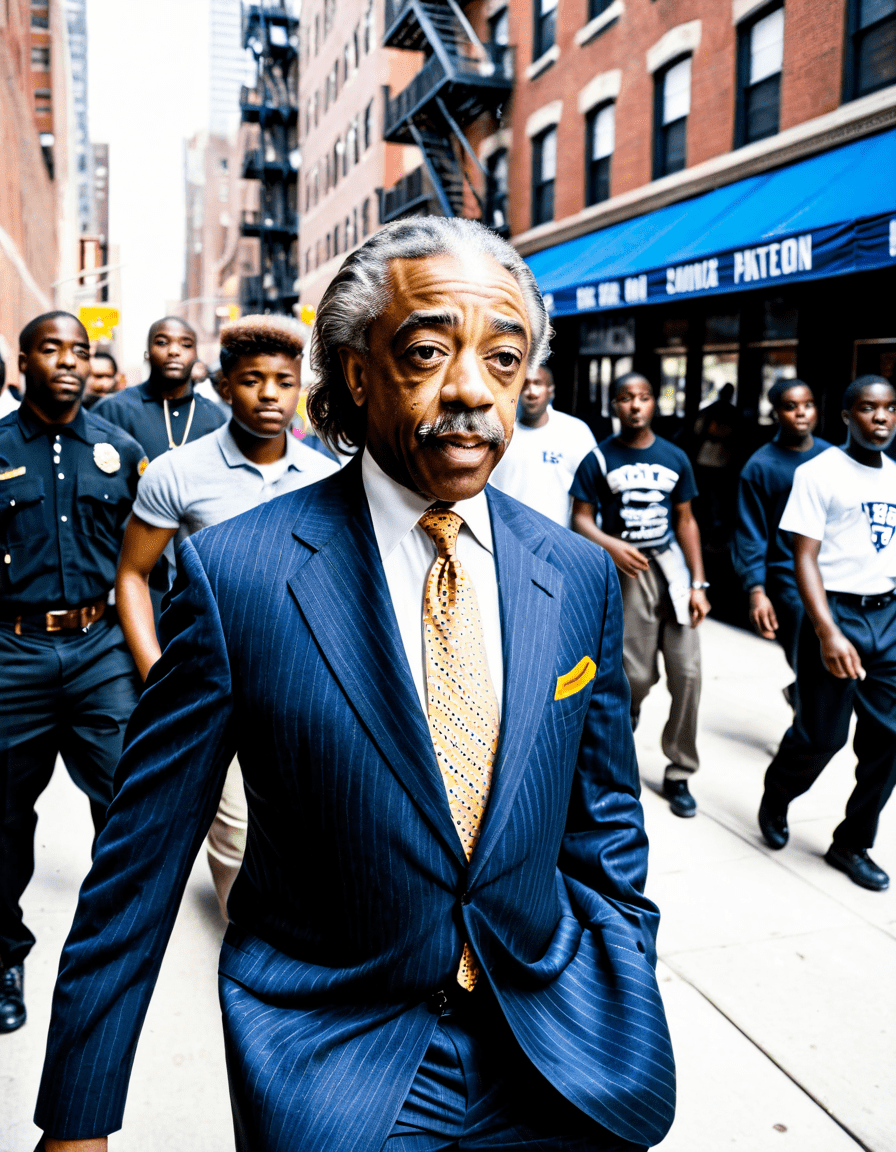
Al Sharpton stands as a beacon of hope and a powerful voice for change in American society. His journey, starting as a youth preacher in Brooklyn to becoming a national figure advocating for civil rights, is a testament to his unwavering commitment to justice. Through years of activism, he has transformed the landscape of social justice, pulling communities together and standing against systemic injustices.
Sharpton’s early experiences in the church instilled in him a deep-seated passion for social justice. Back in the 1980s, he was not just a voice but a catalyst for movements that aimed to empower African Americans and other marginalized groups. The rallies he led, such as the famous march for Amadou Diallo after his tragic shooting in 1999, showcased not just his passion, but also his profound ability to galvanize a nation. Over the decades, Sharpton has navigated the tumultuous waters of activism while remaining a staunch advocate for equality and justice.
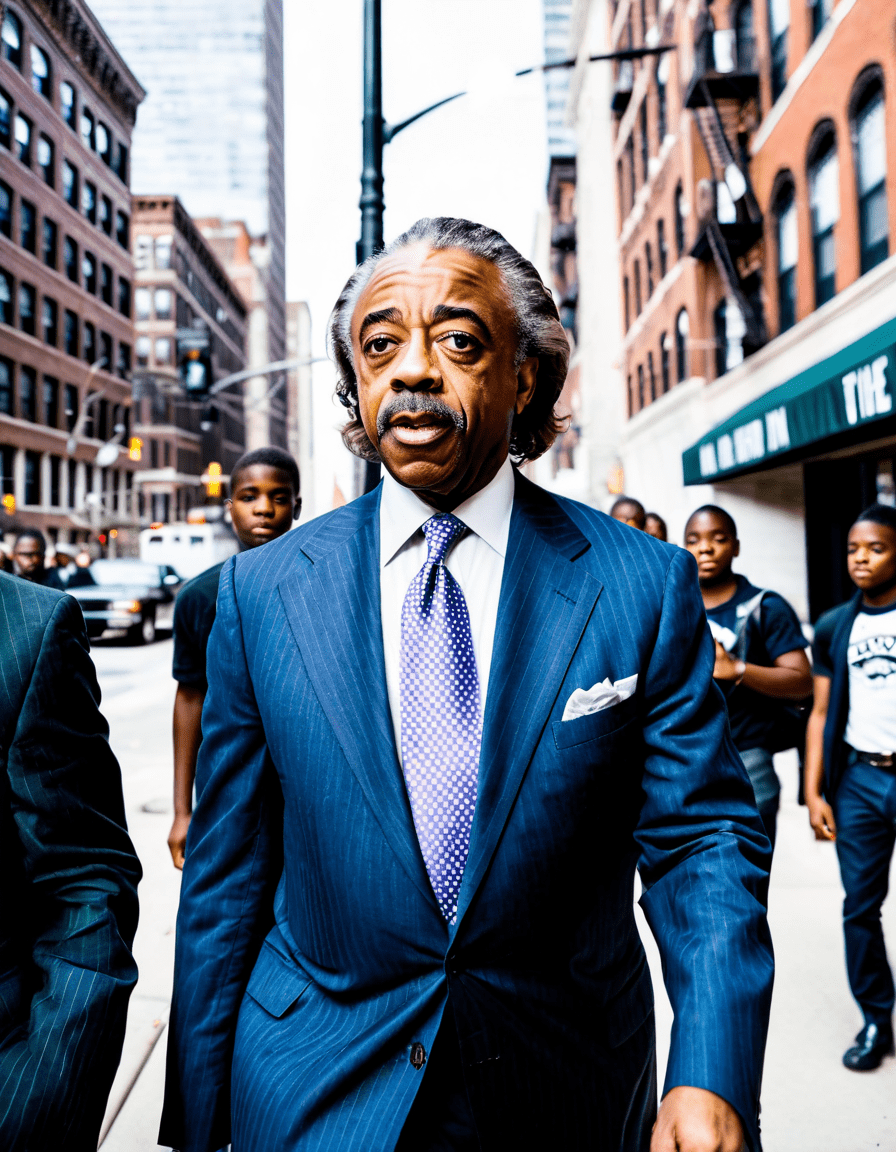
The Evolution of Al Sharpton as a Civil Rights Leader
Al Sharpton’s evolution into a respected civil rights leader wasn’t without its challenges. His public persona has changed over the years, transitioning from a fiery activist in the ’80s and ’90s to a seasoned strategist in today’s social justice landscape. What’s striking is his ability to adapt to the shifting dynamics of society while remaining true to his roots. Sharpton’s significant moments in activism, like leading the National Action Network and partnering with numerous community organizers, demonstrate his knack for uniting people and driving them toward meaningful change.
One critical period was his involvement in the aftermath of the tragic death of Eric Garner in 2014, which truly underscored his leadership. His collaboration with movements such as Black Lives Matter ignited conversations about police brutality and systemic racism in ways that resonated with audiences all around America. His voice became synonymous with the call for accountability, offering a sharp commentary on justice that echoed in the streets and forums nationwide.
Sharpton didn’t stop at rallying communities; he brought essential social issues into the mainstream dialogue. This commitment to social justice earned him both admirers and critics. Yet he persistently focused on the mission, emphasizing community empowerment and policy changes. His evolution reflects his understanding that activism is not static; it’s a living, breathing force that must adapt to the times.
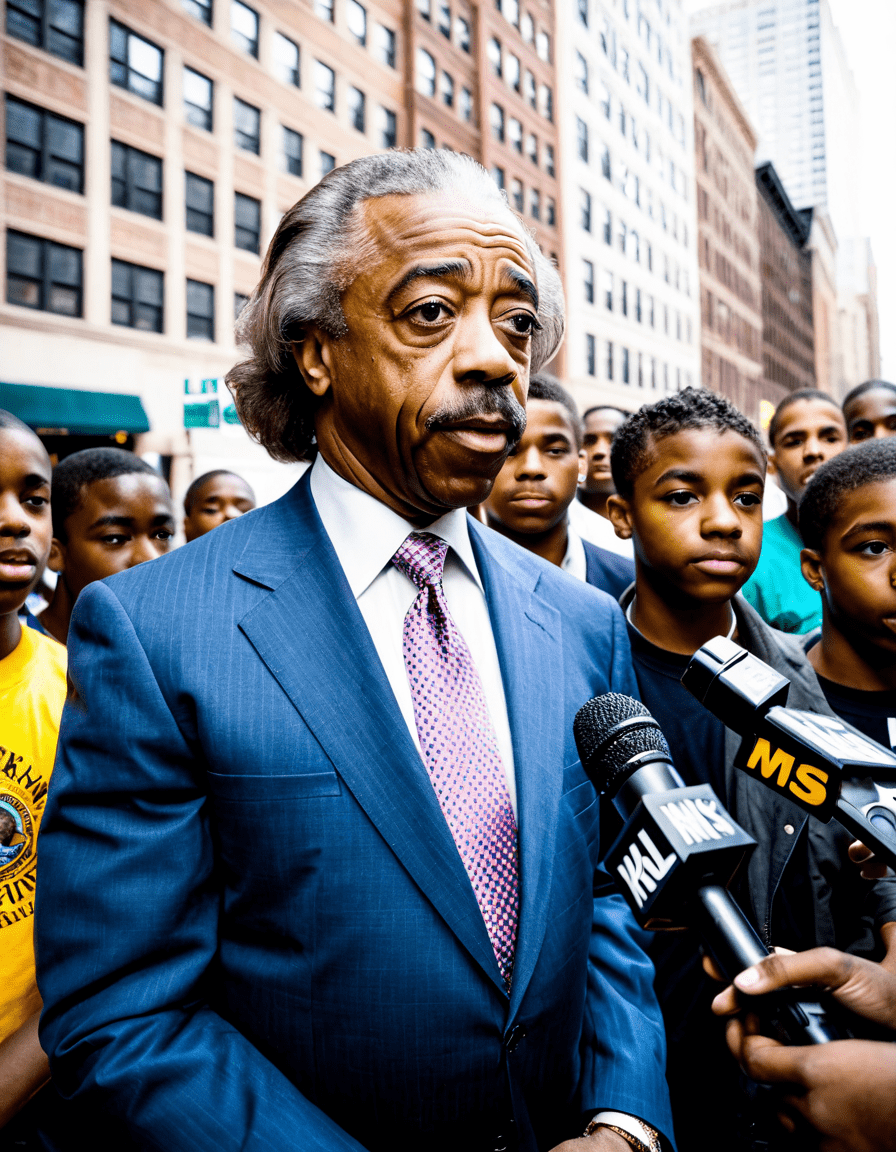
Top 7 Impactful Campaigns Led by Al Sharpton
Al Sharpton’s Legacy Compared to Historical Figures: Wyatt Earp’s Stand for Justice
When looking at Al Sharpton’s journey, one can draw parallels to historical figures like Wyatt Earp, who also took a stand for justice in a different era. Earp sought to create a semblance of order in the lawless Wild West, much like Sharpton fights against the systemic injustices prevalent in modern America. While Earp’s battleground was rife with gunfights and saloons, Sharpton’s is legal frameworks and societal norms that perpetuate discrimination.
Both figures exemplify a relentless pursuit of justice, albeit through different methods. Earp’s actions aimed to tame a violent landscape, while Sharpton continually challenges the status quo that harms marginalized communities. Their stories intertwine around the fundamental quest for justice, highlighting that the fight against oppression, no matter the era, remains vital and relevant.
Both Earp and Sharpton have faced criticisms and skepticism regarding their motivations and methods, yet their legacies resonate through generations. Their determination serves as a reminder that the fight for justice requires not just courage, but also resilience and adaptability.
The Influence of Al Sharpton on Modern Civil Rights Discourse
Al Sharpton’s presence reverberates throughout modern civil rights discussions. His ability to engage with political leaders, media, and grassroots organizations makes him a pivotal player in discussions surrounding race, policing, and equality. Sharpton’s microphone isn’t just for shouting; it’s about building bridges among diverse groups to advance a common goal.
He excels at galvanizing support not just from activists but also from celebrities, politicians, and even ordinary citizens. By speaking out against injustices, Sharpton gives a voice to the voiceless and amplifies perspectives that might otherwise get ignored. His constant effort to involve different communities in dialogues ensures that the fight for justice remains united, transcending cultural and social barriers.
Additionally, Sharpton’s media presence allows him to frame issues in ways that resonate across demographics. His ability to convey urgency and empathy transforms complex issues into digestible narratives that appeal to a broad audience. This skill has proven invaluable, allowing him to connect with young activists while simultaneously engaging seasoned politicians.
Challenges Faced by Al Sharpton and the Ongoing Fight for Justice
Despite his many successes, Sharpton also faces significant hurdles. Some critics label him a controversial figure, suggesting that he capitalizes on racial tensions for personal gain. This yoke of scrutiny hasn’t deterred him but has shaped the discourse surrounding his interventions.
Navigating the complexities of public perception, he remains steadfast in his mission, adapting his strategies to push through adversity. For example, some critics argue his approach could fuel divisions rather than heal them. Yet, Sharpton consistently emphasizes community empowerment and advocacy as crucial steps toward reconciliation.
Moreover, Sharpton continues to confront backlash from various fronts, often amplified by social media. Nevertheless, his ability to adapt and address criticisms head-on reveals his resilience and unwavering commitment to justice. The challenges he faces only further amplify the importance of his efforts.
The Future of Al Sharpton’s Vision for Justice
Looking ahead, Al Sharpton’s vision for justice remains rooted in the realities of today. As new civil rights issues emerge, from economic inequities to climate justice, his work will likely expand further. Sharpton’s proactive approach hints at a shifting strategy; he’ll likely intensify collaborations with youth-led organizations that understand the nuances of modern activism.
Anticipating new movements, Sharpton appears poised to marry traditional civil rights work with contemporary approaches. He may invest more time in digital activism, recognizing how platforms can mobilize people and transcend geographical boundaries. This shift may allow him to reach a broader audience and engage younger generations who demand change.
As he continues his journey, many will look to Sharpton for his perspective on pivotal issues, and his actions will remain a key barometer for the ongoing fight against systemic inequality.
Resounding Impact: The Power of Al Sharpton’s Voice
Al Sharpton embodies a movement that represents decades of struggle for justice. His relentless dedication serves as a clarion call for many aspiring activists. Sharpton’s trajectory showcases that while the fight for justice may face hurdles, it’s undoubtedly vital for shaping a more equitable future for all communities.
To many, Sharpton is not just an activist; he encapsulates the spirit of resilience and unwavering determination. With the next generation of civil rights leaders looking diligently at his methods and strategies, his impact continues to resonate. Al Sharpton’s voice—like a powerful chorus in a lived musical score—reminds us that advocacy is an essential instrument in creating harmony in society.
By articulating the compelling story of Al Sharpton, we honor not just a man, but a movement that persists. His legacy reinforces the notion that powerful voices can incite meaningful change, paving the way for justice in an often tumultuous world.
Al Sharpton: A Powerful Voice for Justice and Change
Al Sharpton’s Early Years and Activism
Before becoming a prominent civil rights leader, Al Sharpton’s journey began in the neighborhoods of Brooklyn, New York. His fiery passion for justice can be traced back to his childhood when he caught the preaching bug at just 4 years old. This young preacher’s voice would grow louder as he transformed into a fearless advocate for marginalized communities. Interestingly, Sharpton didn’t shy away from the media spotlight; he harnessed it to highlight injustices, much like the attention drawn during the Boston Sephora blackface incident. Those moments, though cringe-worthy, ignited discussions around race and identity that Sharpton tackled head-on.
Al Sharpton and Iconic Connections
Sharpton’s influence spread over decades, intertwining with significant figures and events. Throughout his career, he’s shared the stage with personalities and leaders, including Supreme Court Justice Ketanji Brown jackson, as advocacy for equity gained traction in various forms. Talk about an impressive lineup! His work reminds us of the timeless struggle against oppression, akin to the themes depicted in classic films like Clockwork Orange, where societal issues are laid bare in stark narrative. Just as that film invites introspection, Sharpton’s activism urges society to confront uncomfortable truths.
Trivia That Connects Al Sharpton’s Work
Here’s where it gets really fun! Al Sharpton once participated in an episode of “The Celebrity Apprentice,” showcasing his relentless drive even in entertainment. This crossover into pop culture is reminiscent of the star-studded casts found in the game Until Dawn, where diverse characters face intense challenges. Moreover, Sharpton’s ambition has often likened him to action stars; he has the determination of someone taking on the challenges thrown his way, much like John Wick on his quest for justice.
He’s also tackled pressing dietary issues, advocating for healthy eating in urban food deserts. In fact, next time you’re at Chipotle, check out their nutrition calculator; it’s a reminder of how much our food choices impact our lives—an issue Sharpton highlights in striving for equity across all fronts. With a life dedicated to justice and change, Al Sharpton isn’t just a name; he represents a relentless call for fairness and progress, one resonating note at a time.