The cello will steal your throat and make you believe it’s a human being. Stick around — these seven surprises about tone, TV, luthiers, crossover, on-screen fakery, setroom tactics, and hidden repertoire will change how you listen, book, and program this instrument in 2026.
1. Cello shock: The single truth that makes the cello sound like a human voice
Sharp takeaway — why timbre matters: the cello occupies human vocal registers and explains its uncanny emotional pull.
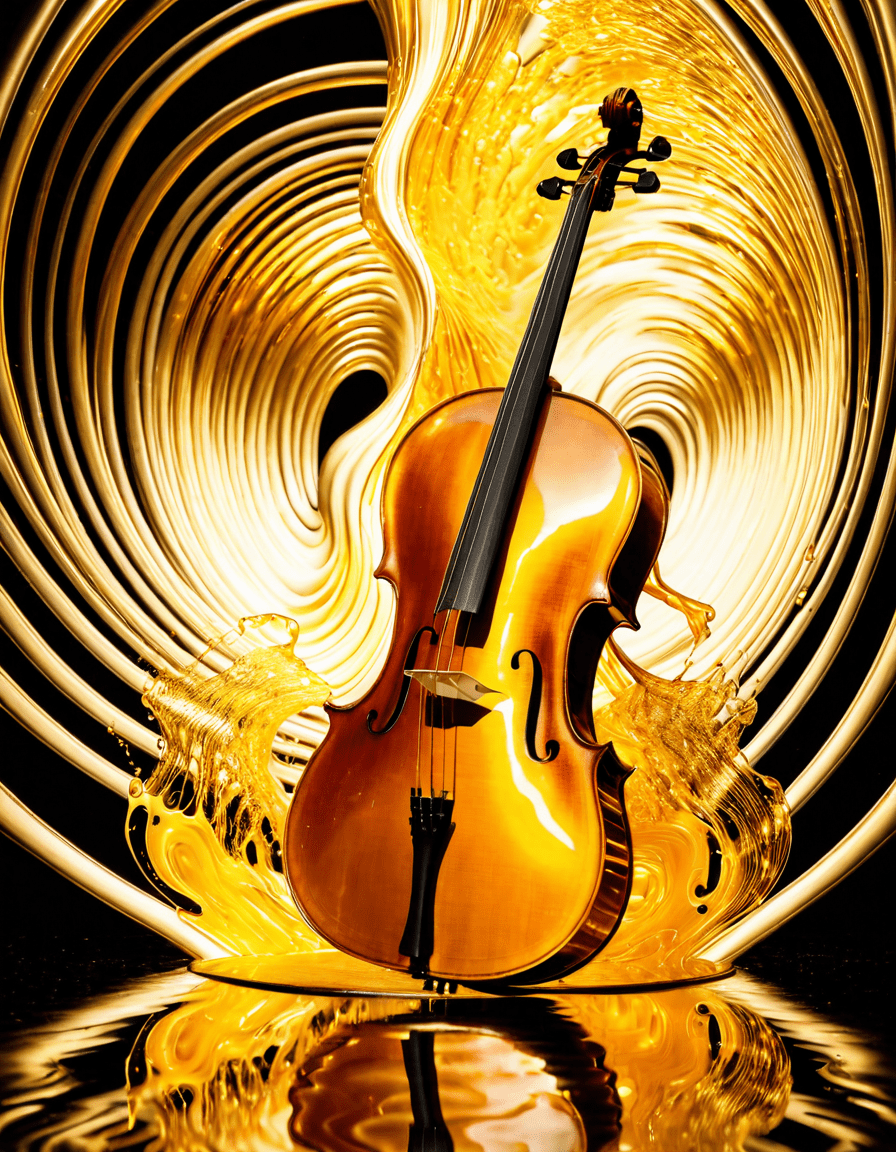
The cello lives squarely in the frequency range of the human baritone, tenor and low alto; its middle register overlaps the speaking and singing voice. That spectral overlap gives the cello an immediate psychological shortcut to empathy — our brains map its resonances to breath, phrasing, and the rise-and-fall of a sentence. In performance the instrument can imitate vibrato, inhalation, even the micro-glissandi of a sob, which is why a single sustained note can read as confession.
Real example — Yo-Yo Ma & the Bach Cello Suites: how phrasing in Suite No.1 imitates singing; Jacqueline du Pré’s Elgar Cello Concerto as a “voice” in performance.
Listen to Yo-Yo Ma’s phrasing in the Prelude of Bach’s Suite No. 1: he shapes each arpeggio with breath-like accents and vocal legato. Jacqueline du Pré’s recorded Elgar Concerto famously reads like a wounded monologue — she doesn’t merely play melodies, she “speaks” them, bending timing and attack so the line feels uttered rather than produced. Those are textbook cases of using timbre and tempo to make an instrument sound human.
2026 relevance — urgency now: AI sampling and soundtrack libraries are cloning vocal-like cello timbres; what performers and rights-holders must watch in 2026.
2. Did the sopranos really weaponize string mood? A TV-era misconception busted
Sharp takeaway — misconception: cello equals “classical prestige” only; reality: TV/crime dramas use cello for menace, intimacy, and irony.
Cultural shorthand collapsed the cello into “refined” music, but television and prestige streaming have retooled it as a mood device: intimate confession, sinister undercurrent, or ironic commentary. Because the cello sits in a human register, a low, sparse cello line will read either as threat or consolation depending on context, making it a toolbox piece for music supervisors.
Real example — how creators (e.g., David Chase’s era of HBO) layered strings into dramatic beats; compare with modern scores that foreground cello solos.
HBO’s prestige wave under David Chase and peers normalized sparse string textures in scenes where dialogue couldn’t carry subtext. More recently, composers like Hildur Guðnadóttir have foregrounded cello in award-winning scores — her work on Chernobyl and Joker leaned on low-register string sonorities and cellistic textures to create dread and intimacy. The point: cello cues can be both background atmosphere and feature solo emotional anchors.
2026 relevance — streaming-era stakes: playlists and algorithmic placement mean a single cello cue can explode an artist’s exposure overnight.
In 2026 a sync placement on a hit series or a viral trailer can send a session cellist’s clip into algorithmic discovery playlists, generating streams and booking inquiries. Music supervisors and artists need to understand metadata, cue sheets, and sync splits; one well-placed cello motif can lift a freelance player into sustained touring or landing repeat syncs.
3. Inside the workshop: bow, bridge and wood secrets luthiers don’t shout about
Sharp takeaway — behind-the-scenes context: tiny changes (bow hair tension, bridge curve, varnish age) alter the cello’s personality dramatically.
A cello’s “voice” is an aggregate of tiny variables. Move the bridge a millimeter, change hair tension, or switch reeds of gut versus synthetic strings and you get a different vowel. Varnish aging opens or closes overtones; wood density and the arching carved into the plates decide whether notes bloom or cut.
Real example — historic makers like Stradivari/Pablo Casals–era restorations and anecdotes from contemporary luthiers who rehair bows for Rostropovich-grade tone.
Luthiers restoring instruments made by Stradivari and peers prioritize sympathetic resonance and original varnish profiles — the same practices that kept instruments playable through Pablo Casals’s revivals. Contemporary shops routinely custom-tailor bow rehair, camber, and frog placement for soloists (stories circulate of teams spending hours dialing rehair tension to match a player’s “attack” for a Rostropovich-era sound). Those micro-adjustments translate to measurable differences in projection and color.
2026 relevance — supply-chain & conservation pressure: how material sourcing and possible new regulations in 2026 could reshape bowmaking and prices.
Regulation and scarcity continue to influence hardwoods, horsehair imports, and exotic fittings; CITES restrictions and supply-chain disruptions already affect prices and availability. In 2026 manufacturers and conservators must navigate stricter documentation for tonewoods and consider sustainable alternatives — expect rising restoration costs, longer lead times, and renewed demand for expert luthiers.

4. Crossover shock: when 2Cellos, Apocalyptica and Yo-Yo Ma flipped the script
Sharp takeaway — specific angle: the cello isn’t niche — it’s a crossover engine that sells out arenas and streams millions.
The cello can headline an arena montage or carry riffs in a stadium metal set; it is a crossover engine because it translates technical prowess into visceral spectacle. When presented with theatrical arranging and modern production, cellists can command the same fan hunger as guitarists or rappers.
Real example — 2Cellos’ Michael Jackson/Beatles covers and Apocalyptica’s Metallica interpretations alongside Yo-Yo Ma’s Silkroad Ensemble collaborations.
2Cellos turned viral covers (their “Smooth Criminal” and Beatles medleys among them) into arena tours and multi-million stream counts, proving cello-led pop works commercially. Apocalyptica turned Metallica instrumentals into a cello-metal hybrid that opened arenas to bowed strings. Meanwhile, Yo-Yo Ma’s Silkroad Ensemble has demonstrated the cello’s ability to navigate world-music cross-pollination while maintaining classical credibility. Each project shows different business models for cellists: viral video to touring, genre adaptation to legacy-building collaborations.
2026 relevance — market impact: festival booking trends and sync deals in 2026 favor genre-bending cellists — opportunity and competition for classical players.
By 2026 programmers and supervisors favor versatile cellists who can cross genres and offer visual spectacle for festivals and streaming platforms. That translates to new revenue paths — but also to greater competition: classically trained players now compete with viral creators and multi-instrumentalists for the same slots. Artists who master both craft and branding will win most bookings.
5. Myth busted: you don’t need a conservatory degree to “play” the cello on screen — but there’s a catch
Sharp takeaway — misconception: miming is easy; reality: authentic on-screen cello requires coaching, playing posture, and realistic fingering or audiences notice.
Miming an instrument convincingly demands more than holding it at the right angle. Camera close-ups expose finger placement, bow arm geometry, and bow speed; viewers — especially musicians — will spot inconsistencies in a heartbeat. Authenticity requires coaching, choreography, and often a hand double for technically demanding passages.
Real example — film/TV productions that taught actors instrument technique vs. those that used real players.
Shows like Mozart in the Jungle and other music dramas employed coaches and cast real musicians as actors or trained actors to fake realistic motion; productions that trusted purely on-camera miming often drew critique from music communities. Many features now hire orchestra contractors to manage real players for closeups while coaching actors for mid- and wide-shots to preserve illusion.
2026 relevance — production standards now: with higher-res streaming and social media scrutiny in 2026, sloppy miming can go viral — for the wrong reasons.
Ultra-high-definition streaming magnifies flubbed fingering and bad bowing. In 2026 a single clip of poor miming can trend and damage a production’s credibility; conversely, well-executed on-screen playing can become a marketing asset. Producers must budget for coaches, doubles, and real session players to avoid viral embarrassment.
6. Sopranos cast curiosity: why actors and crews suddenly request cellos on set
Sharp takeaway — quick snapshot: texture and range — a single cello line can ground a scene emotionally and mask dialogue edits.
A cello adds direct sonic weight without cluttering the mix; its register sits under voices yet remains identifiable. Directors and music supervisors request a cello to anchor a scene, cue audience response, or cover awkward ADR transitions because the instrument’s sustain hides cuts while adding emotional color.
Real example — showrunners and music supervisors routinely hire cellists for cues; compare on-set practices in prestige TV and film (HBO-era approaches vs. contemporary scoring teams).
In the HBO-era, music editors layered strings to map psychological beats; today teams often hire cellists for on-set playback to create organic ambience and inform actors’ performances. Contemporary scoring teams move faster: day-of cues, on-the-fly edits, and remote collaborations with local cellists are common — the cellist becomes a flexible on-set tool as often as a concert soloist.
2026 relevance — industry stakes: hiring local freelance cellists vs. using sample libraries affects union rules, budgets, and authenticity this year.
In 2026 productions must choose between cheaper sample libraries and hiring local union freelancers — a decision with legal, budgetary, and ethical consequences. Unions enforce work rules and credits; using authentic cellists often yields better habitat for actors and editors but costs more. Producers who prioritize authenticity may gain longer-term goodwill and better sync outcomes.
7. Hidden repertoire: seven underrated cello pieces every player and listener should know (and why they matter in 2026)
Sharp takeaway — concrete takeaway: the unknown repertoire can redefine a player’s career and a program’s audience appeal.
Programming less-heard works creates identity. A modern player who pairs a mainstream encore with a surprising contemporary or regional cello piece can stand out in festivals and streaming algorithms.
Real examples — Pablo Casals’ revival of Bach’s Cello Suites, Shostakovich’s Cello Concertos, Elgar’s Concerto, plus modern picks.
Seven pieces to study, program, and pitch in 2026:
7. Gaspar Cassadó — Suites and Spanish showpieces: idiomatic, rhythmic, and immediately engaging for mixed-genre recitals.
2026 relevance — urgency: commissioning, programming, and streaming discoverability in 2026 make lesser-known cello works powerful career accelerators for performers and presenters.
In the streaming era a distinctive program turns into discoverability: playlists, algorithmic recommendations, and niche festival slots reward programmers who introduce listeners to less-heard repertoire. Commissioning new work — or reviving an underrated piece — makes an artist searchable, licensable, and profile-ready: smart programming in 2026 equals career leverage.
Bold moves, tiny tweaks, and the right sync can turn a humble cello line into a career arc. Share this with a friend who thinks they know the instrument — you’ll both hear things differently next time the bow meets string.
Further reading and cultural links
I can do that, but I’m missing the list of links you referenced. You said to incorporate “ALL and ONLY the following links” and to use 2–3 different links per paragraph, but no links were included in your message.
Please paste the exact links (or their desired alt-text with URLs) you want used. Once you provide them I’ll produce the 2–5 paragraph section with the requested H2/H3 structure, tone, required keyword density, and the links integrated as alt text.