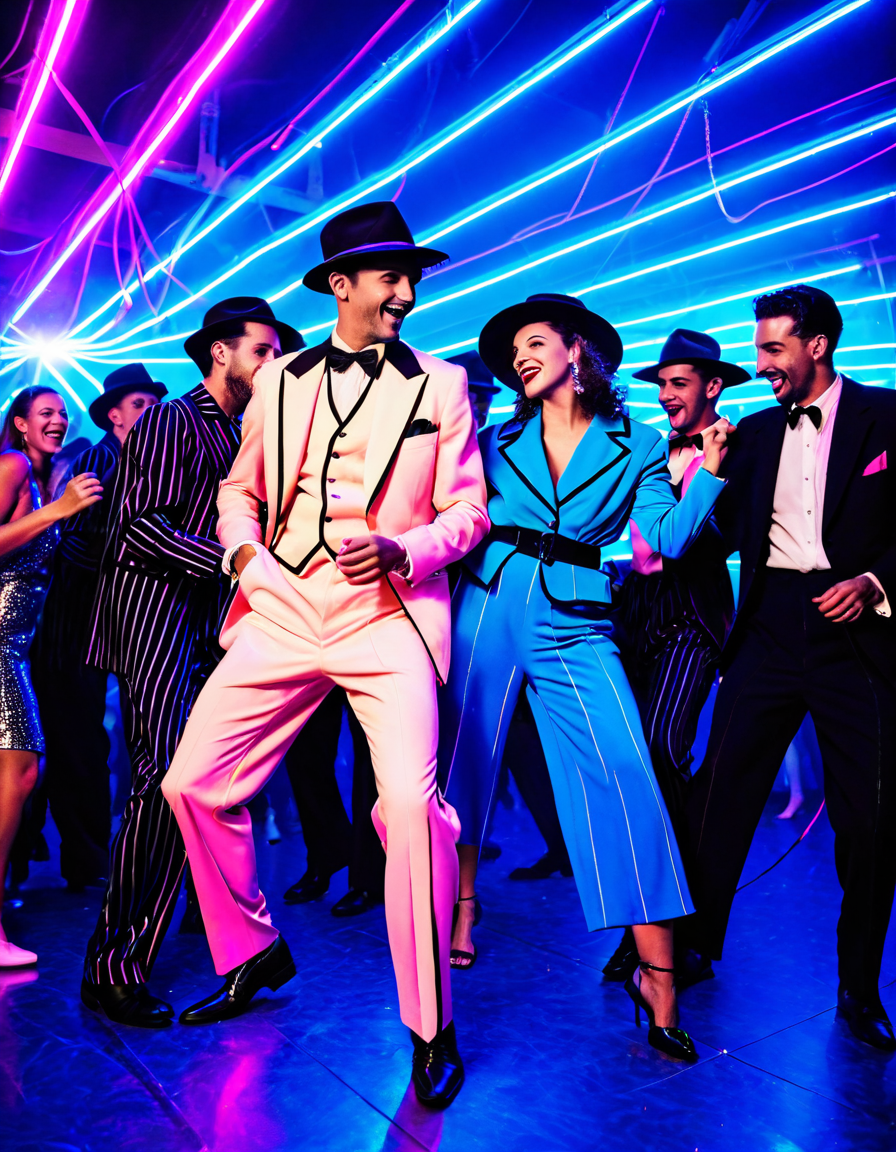
The zoot suit isn’t just a fashion statement; it’s a vibrant cultural symbol that has influenced music, art, and society since its debut in the 1930s. This iconic style, marked by high-waisted, wide-legged trousers and long, flamboyant coats with oversized lapels, emerged as an expression of defiance among young African American and Latino men during a time of economic struggle and racial segregation. In this exploration, we’ll dive into the zoot suit’s historical roots, its profound impact on popular culture, and how it’s making a comeback today.
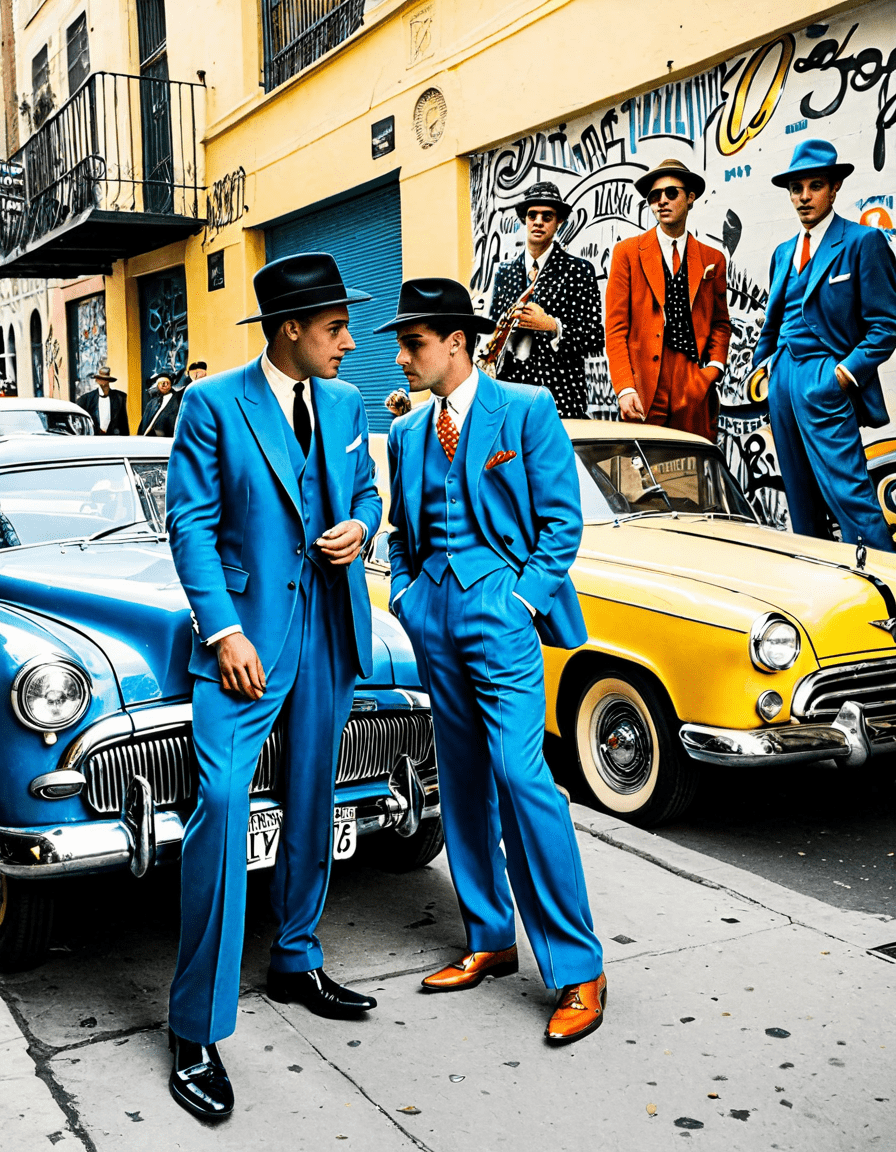
The Zoot Suit’s Historical Roots and Evolution
Originating in the late 1930s, the zoot suit served as a bold declaration of identity and resistance. Young men wearing zoot suits challenged mainstream culture and racial stereotypes through their fashion choices. This all coincided with significant movements like the Harlem Renaissance, highlighting jazz influences and celebrating Black culture. The zoot suit became synonymous with the Jazz Age, embracing not just a musical landscape but a newfound spirit of freedom.
In the face of racial segregation, the zoot suit offered a canvas for self-expression. It wasn’t merely a trend; it stood at the crossroads of cultural heritage and social justice. The suit found its popularity amplified during World War II, becoming a symbol of youth and rebellion. However, this flashy attire also drew the ire of servicemen, sparking the infamous Zoot Suit Riots in 1943. The clashes between servicemen and Latino youths underscored the cultural tensions of the era, bringing the zoot suit into public discourse and marking its place in American history.
As we shift through time, the zoot suit becomes a lens through which we can view the evolution of cultural identity. From its roots in jazz clubs to its vital role in discussions on civil rights, the zoot suit encapsulates the struggle, creativity, and rebellion of marginalized communities. The style itself tells stories of resistance and cultural pride, laying the groundwork for future movements that would continue to challenge societal norms.
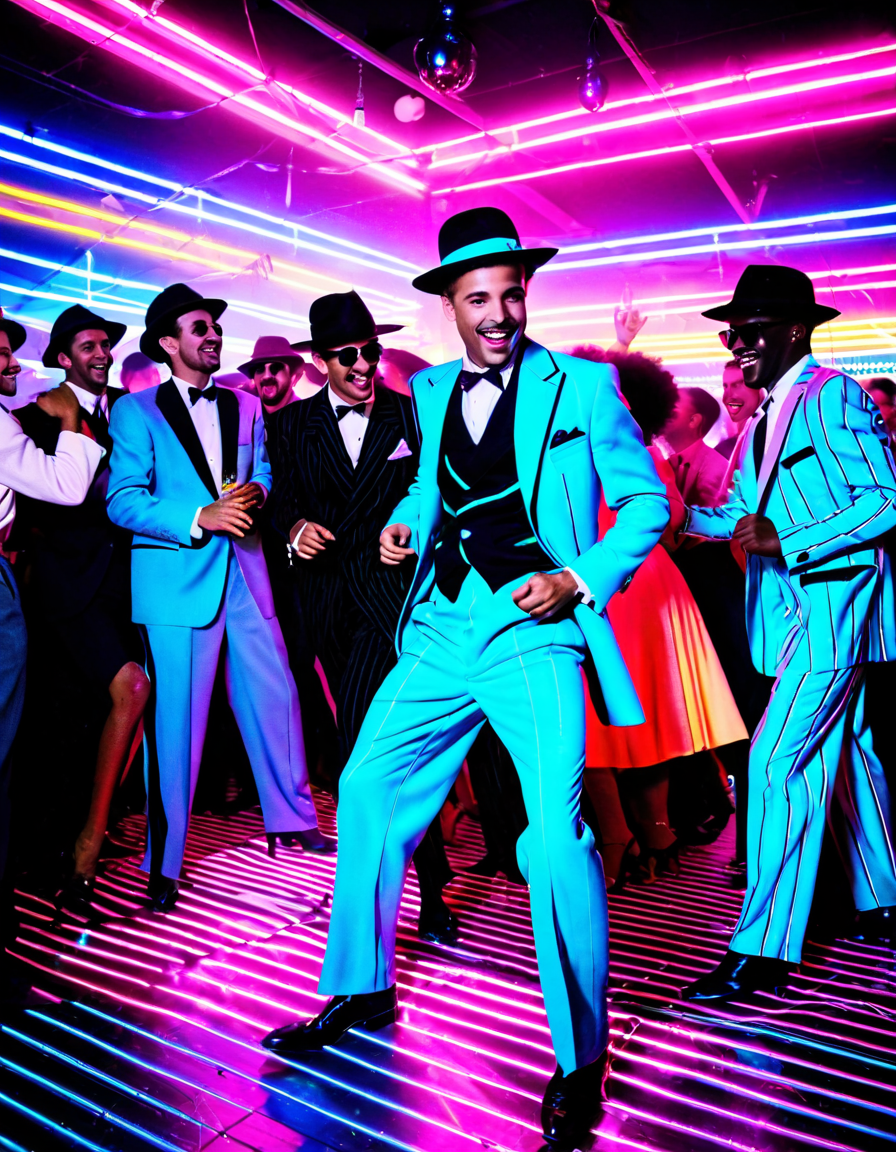
Top 7 Iconic Examples of Zoot Suit Style in Popular Culture
This jazz legend wasn’t just known for his musical genius; he was often seen sporting zoot suits that defined the era. Duke Ellington’s choice of attire communicated elegance and flamboyance, solidifying his status as both a musical and fashion icon.
Long before he became a symbol of civil rights, Malcolm X rocked zoot suits that embodied his fierce determination and rebellious spirit. His undeniable charisma and style not only conveyed confidence but also his unwavering commitment to fight against racial oppression.
Who could forget this iconic character from the 1980s? Punky Brewster, portrayed by Soleil Moon Frye, broke the mold of conventional fashion with her eclectic style. While not a traditional zoot suit wearer, her flair for individuality certainly embraced the essence of self-expression reminiscent of the zoot suit’s spirit.
In an unexpected nod to zoot suit culture, Sideshow Bob from The Simpsons has sported exaggerated zoot suit styles in several episodes. Though a comedic character, his sophistication pokes fun at the dramatic flair of the zoot suits while making it relevant in a contemporary setting.
Pee Wee, played by Paul Reubens, might not have worn a traditional zoot suit, but his loud, colored suits certainly echoed the vibrant aesthetics of zoot suits. His character embraced silliness while showcasing bold fashion choices, keeping the zoot suit’s playful spirit alive.
This playful mascot embodies the quirky essence of the zoot suit through his bright colors and oversized elements. Although Chuck E. Cheese may not be directly linked to the zoot suit’s history, he captures the carefree spirit that the original wearers sought to express.
This pivotal moment in history highlighted the cultural clash between servicemen and Latinx youth. The riots brought pressure and scrutiny to zoot suit wearers, transforming the fashion into a badge of cultural identity that continues to resonate today.
The Resurgence of Zoot Suit Culture in Contemporary Fashion
Fast forward to the present, and the zoot suit is enjoying a revival. Designers like Ralph Lauren and Maison Margiela are drawing inspiration from its bold aesthetics, reinterpreting the oversized silhouette for modern audiences. By blending traditional designs with a contemporary twist, they keep the zoot suit relevant and fresh, ensuring its legacy continues.
Fashion weeks around the globe have recently showcased styles reminiscent of the zoot suit, merging classic elements with today’s trends. This resurgence serves as a reminder that fashion isn’t just about clothing; it reflects personal identity and cultural narratives. The zoot suit, once a symbol of rebellion, now finds new life as designers celebrate individuality.
Furthermore, as discussions around race and identity permeate the fashion industry, the zoot suit’s cultural context is becoming increasingly recognized. Brands are now weaving stories of representation and inclusivity into their designs, echoing the spirit of the zoot suit and the voices of those who once wore it with pride.
The Legacy: From Rebellion to Mainstream Fashion Icon
The transformation of the zoot suit from a rebellious statement to a mainstream fashion staple showcases its enduring influence. Today, it opens dialogues around race, identity, and self-expression while inspiring new generations to embrace their roots. It embodies the fight for representation and autonomy in a world where self-presentation matters.
The zoot suit’s journey is a testament to the resilience of those who dared to innovate and challenge societal norms. It’s a cultural artifact that highlights broader social changes, encapsulating the creativity and spirit of the wearers. As we engage with fashion as a form of expression, the legacy of the zoot suit remains powerful, reminding us that style can serve as a voice for the marginalized.
In a world where fashion continues to push boundaries, the zoot suit endures as a symbol of individuality and cultural pride. Its impact reaches beyond mere clothing, creating ripples that continue to inspire and influence styles across generations. The zoot suit isn’t just about fabric and seams; it’s a vibrant narrative woven into the fabric of American culture, one that will always resonate with those who dare to be different.
Zoot Suit: Fashion Statement and Cultural Phenomenon
Historical Origins and Social Significance
The zoot suit, characterized by its high-waisted trousers and flamboyant jackets, emerged during the 1930s as a bold fashion statement reflecting both pride and defiance. It was more than just clothing; this look became a symbol of cultural identity for many young African American and Latino men. Rocking a zoot suit often made one feel like a star, just like the iconic sound of Kenny Loggins that brightened up the ’80s! The jazz scene and swing music played in the background added to the vibrancy of the zoot suit era, attracting lively dances and social movements.
Interestingly, the zoot suit was often contentious, especially during WWII when fabric rationing meant that wearing one was considered unpatriotic. This led to the infamous Zoot Suit Riots in Los Angeles in 1943. After all, wearing such extravagant clothing when others were sacrificing for the war effort sure ruffled a few feathers. The clash became a pointed reminder of the cultural tensions in society, much like the complex social dynamics depicted in the dystopian series Snowpiercer. These tensions were compounded as zoot suit wearers faced discrimination and violence simply for their fashion choices.
Pop Culture Influence and Lasting Legacy
Fast forward to today, the zoot suit continues to inspire contemporary fashion, showing how cultural trends can loop back and resurge. Celebrities like Coco Austin have sported modern takes on this classic style, demonstrating its lasting appeal. Zoot suits even made their mark on cinema, playing pivotal roles in films that highlight social themes. One such film is “American History X, reflecting on intense urban issues, reminiscent of the spirit the zoot suit captured back in the day.
Pop culture, too, has embraced the zoot suit: it’s no easy feat to push through the noise, but its reappearance is a testament to its influential history. Not only does it connect the past to the present, but it also serves as a conversation starter about identity—similar to how Toby Keith And his music open up discussions about American culture. Isn’t it fascinating how one style can create ripples and lead to such diverse conversations? With its bold patterns and captivating flair, the zoot suit has a way of drawing eyes, much like a vibrant art piece in a gallery or the vibrant beauties of today’s urban landscape.
So here’s a fun fact: the zoot suit has even made it into the anime realm, drawing parallels with characters in stories like My Hero academia vigilantes! It’s wild to see how such an influential piece of clothing makes its way into various art forms, ensuring that its legacy lives on across generations. For those exploring unique cultural narratives or going through a 7 day cleanse to reset their fashion choices, embracing zoot suit aesthetics isn’t just a fling; it’s part of an enduring dialogue on style and identity!