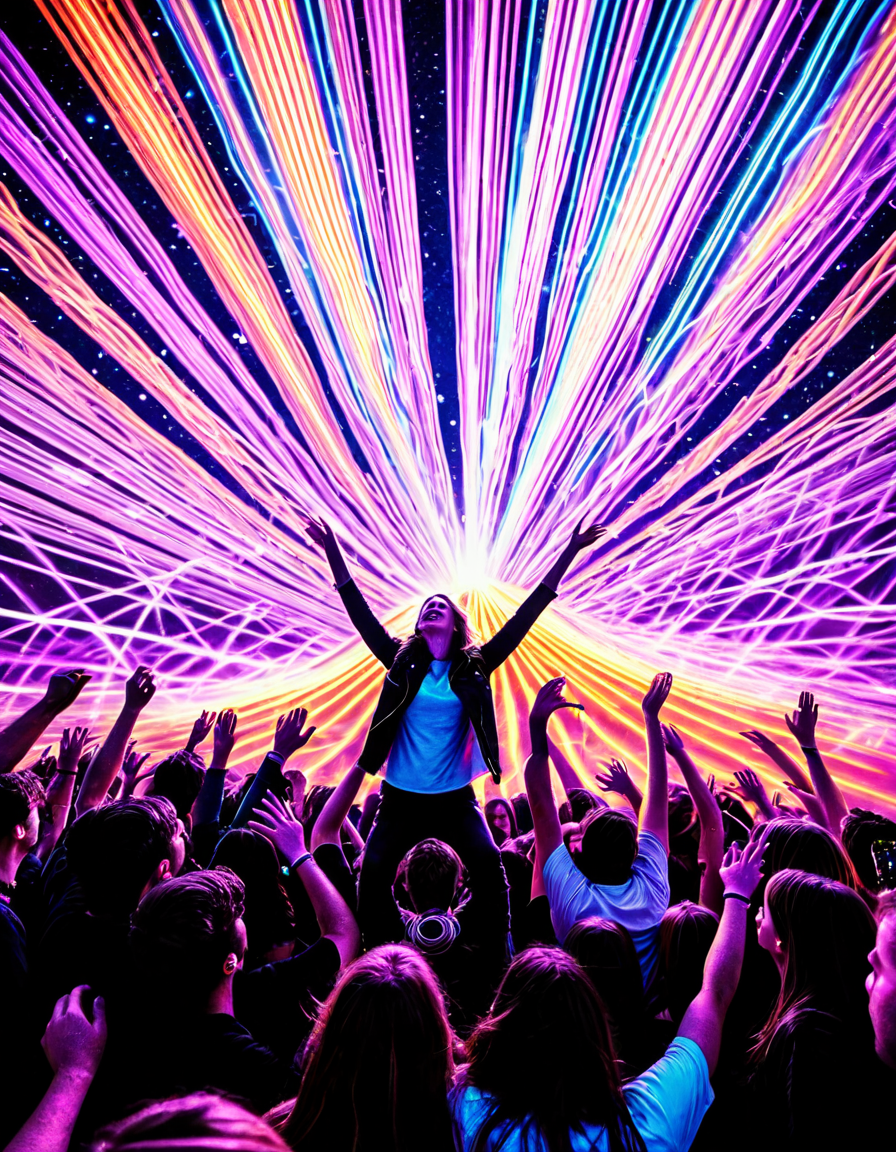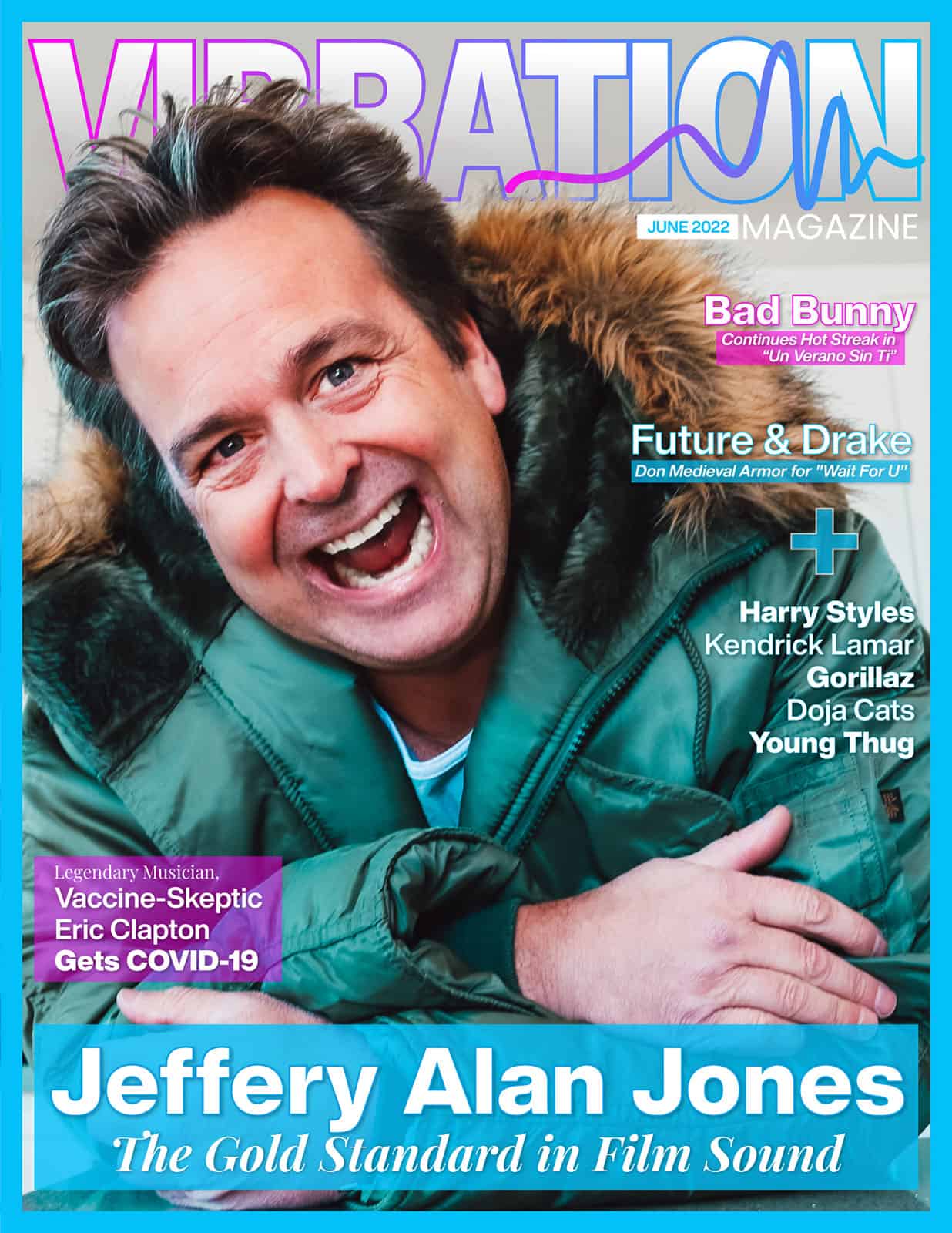
The term zeitgeist captures the essence of an era, reflecting the prevailing attitudes, beliefs, and cultural phenomena. In the electric world of 2026, this zeitgeist is on full display, revealing how societal shifts, tech innovations, and cultural narratives intertwine to shape our contemporary landscape. From the rise of artificial intelligence to the transformative power of social movements, it’s a thrilling time to be alive and tuned into the beat of our collective consciousness.
As we unravel this captivating spirit of our times, let’s dive into the defining characteristics that paint a vivid picture of zeitgeist in 2026. Buckle up, because these trends and movements are more than just fleeting fads — they’re indicators of deeper currents flowing through our society.
7 Defining Characteristics of the 2026 Zeitgeist
1. Digital Transformation: AI as an Integral Part of Life
The integration of artificial intelligence isn’t just a concept; it’s a reality shaping our everyday tasks. You’ve got companies like OpenAI and Google leading the pack, transforming how we interact with technology. From personal assistants booking our appointments to AI crunching data for healthcare diagnostics, AI has become a household staple. It’s clear that our relationship with tech is evolving faster than a viral TikTok dance.
2. Inclusivity in Brand Messaging
Brands can no longer hide behind tokenism; inclusivity is here to stay. Take Nike and Fenty Beauty, for instance. Their campaigns actively showcase the beauty of diverse representations, breaking the mold of traditional athleticism and beauty standards. This is what the zeitgeist demands — authenticity and representation in advertising, reflecting the rich tapestry of our communities.
3. Sustainability as a Necessity
With climate change on everyone’s lips, sustainability isn’t just a trend — it’s a necessity. Brands like Patagonia and Beyond Meat are champions of eco-conscious innovation. They not only attract eco-minded consumers but are also shaping entire industries by adopting eco-friendly practices. When more brands join the green revolution, our shopping habits start to align with our values.
4. Mental Health Awareness
Mental health issues are finally getting the spotlight they deserve. Figures like Oprah Winfrey, along with platforms like Headspace, are normalizing crucial conversations surrounding mental well-being. As people realize that it’s okay to seek help, brands are following suit, helping to remove the stigma and promoting mental wellness resources. The awareness around mental health is becoming an integral part of the zeitgeist.
5. Pushing Boundaries of Identity
This era celebrates the exploration of personal identity like never before. Gender fluidity and diverse sexual orientations are part of the dialogue, thanks to pioneers like Lil Nas X. Creators on platforms such as TikTok are embracing authenticity, challenging societal norms in ways that resonate with younger audiences. As these stories unfold, they help broaden our understanding of what identity can look like.
6. The Rise of Remote and Hybrid Work
The pandemic has flipped our work-life balance upside down, and remote work is here to stay. Companies like Dell and GitLab are embracing flexible work cultures, reflecting a demand for balance that prioritizes mental well-being. Workers are no longer chained to a 9-to-5 schedule; instead, they seek arrangements that fit their lifestyles, fundamentally changing our view of what “work” means.
7. Gaming as Cultural Currency
Once seen merely as a hobby, gaming has shot up to become a significant cultural influence. With hits like “Fortnite” and “Minecraft”, gaming drives social interactions across demographics. This shift signifies a new platform for community building and self-expression, solidifying gaming’s role as a cultural cornerstone in the zeitgeist.
The Poltergeist Cast: Memes as Cultural Artifacts
Memes, the modern poltergeist, haunt our social feeds with humor and satire, encapsulating the spirit of our times. They’re a reflection of society’s quirks, frustrations, and insights all rolled into one. Let’s explore some of the meme phenomena that have left their mark on our collective consciousness:
Memes do more than entertain; they shape conversations, hinting at larger societal issues in ways that traditional media can’t always achieve.
Rethinking Consumerism: The Rise of Conscious Consumption
In 2026, consumers are taking a stand. Conscious consumption is on the rise, with people eager to make ethical purchases. Movements around minimalism and upcycling are defining this shift. Brands like Everlane champion transparency in how they produce their goods, making it easier for consumers to align purchases with personal values.
Thrifting has surged in popularity, with platforms like Depop and ThredUp at the forefront. These brands encourage shoppers to reconsider how they fill their closets while promoting sustainable practices. The future of consumerism is bright, as it increasingly reflects a sense of responsibility and awareness.
The Role of Media in Shaping the Zeitgeist
Media plays a pivotal role in both reflecting and shaping the zeitgeist. Social media platforms like Instagram and TikTok have become central to public narratives, breaking stories and engaging the masses. Creators like Emma Chamberlain and Joe Rogan exemplify a new generation of influencers blending authenticity with commentary on pressing issues.
These platforms are not just for entertainment; they serve as vehicles for social change. They help amplify diverse voices and critical issues, pushing conversations forward in ways that mainstream media often struggles to achieve.
Anticipating the Future: Trends to Watch
As we journey through the ever-shifting landscape of the zeitgeist, certain emerging trends are already signaling what’s next. Virtual reality (VR) and augmented reality (AR) are set to redefine entertainment and education, offering immersive experiences that blur the lines of reality.
The incorporation of blockchain technology promises greater transparency and security in transactions, paving the way for innovation across various sectors. Furthermore, the ongoing dialogues about equity and systemic change will likely reshape societal expectations and responsibilities across industries.
In embodying the zeitgeist of 2026, we see our society as a rich, dynamic mosaic reflecting a myriad of perspectives. This spirit transcends mere trends, inviting us to connect deeply, act responsibly, and live authentically. As we embrace these transformations, we propel ourselves into a vibrant future that celebrates the enduring human experience. So, let’s gear up and stay tuned — the best may yet be to come!
Zeitgeist: The Captivating Spirit of Our Times
The Meaning Behind the Term
The word “zeitgeist” comes from German, meaning “spirit of the times.” It captures the essence of a particular era, shaped by the prevailing ideas, beliefs, and cultural phenomena. For instance, the “zeitgeist” of the early 2000s brought us a wave of pop culture hits, like the quirky romantic comedy featuring the bridesmaids cast that still resonates today. Many people look back at this period as a time of experimentation and self-expression, a prime example of how cultural moments define our collective spirit.
Pop Culture and Its Reflection
When we think about how zeitgeist manifests in pop culture, it’s hard to overlook significant influences, like the exhilarating world of Doodle Jump that captured the mobile gaming scene or the intense training sequences in Hajime No Ippo, a series illustrating the spirit of striving for greatness. These phenomena don’t just entertain; they reflect societal values—pushing boundaries, challenging norms, and resonating with audiences at their core. Isn’t it fascinating how much our recreational choices say about our times?
Changing Tides and Trends
Now, let’s shift gears and discuss how trends evolve. Today, many creators find platforms like Wattpad transformative, illustrating a digital zeitgeist that encourages storytelling from every corner of society. And who could ignore the impact of social media sensations, including Miranda Maday, who showcases how our daily lives and aspirations have been redefined? The vibrancy of city life in Jacksonville, Florida, demonstrates how location shapes a culture, bringing together diverse communities with distinct attitudes and ideas. This term, zeitgeist, doesn’t just linger in the air—it influences arts, politics, and personal identities.
In this ever-shifting landscape, looking back can be as revealing as looking forward. Just as we’ve enjoyed epic quests in games like the Elder Scrolls Skyrim, each “spirit of the times” carries the weight of what came before and hints at what’s to come. So, the next time you feel the winds of change, remember: the “zeitgeist” isn’t just history; it’s part of your story, too!