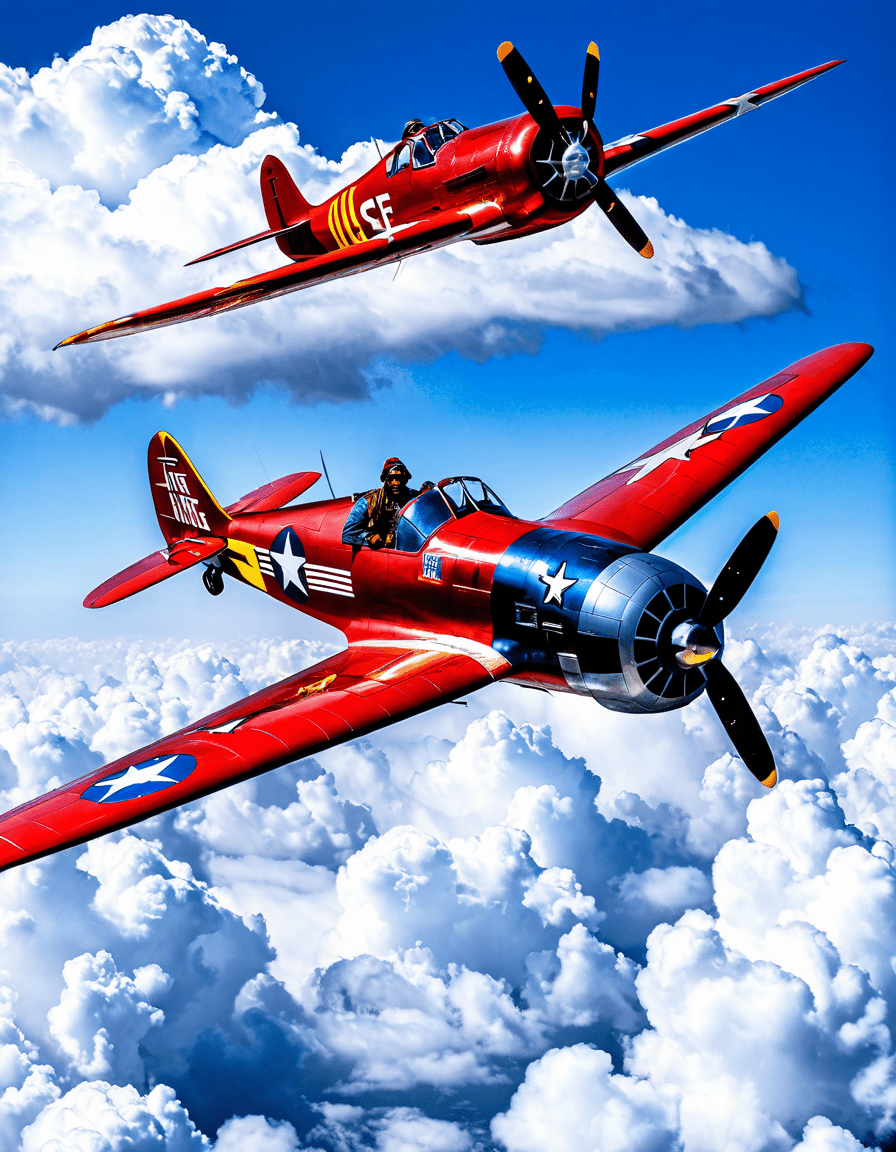
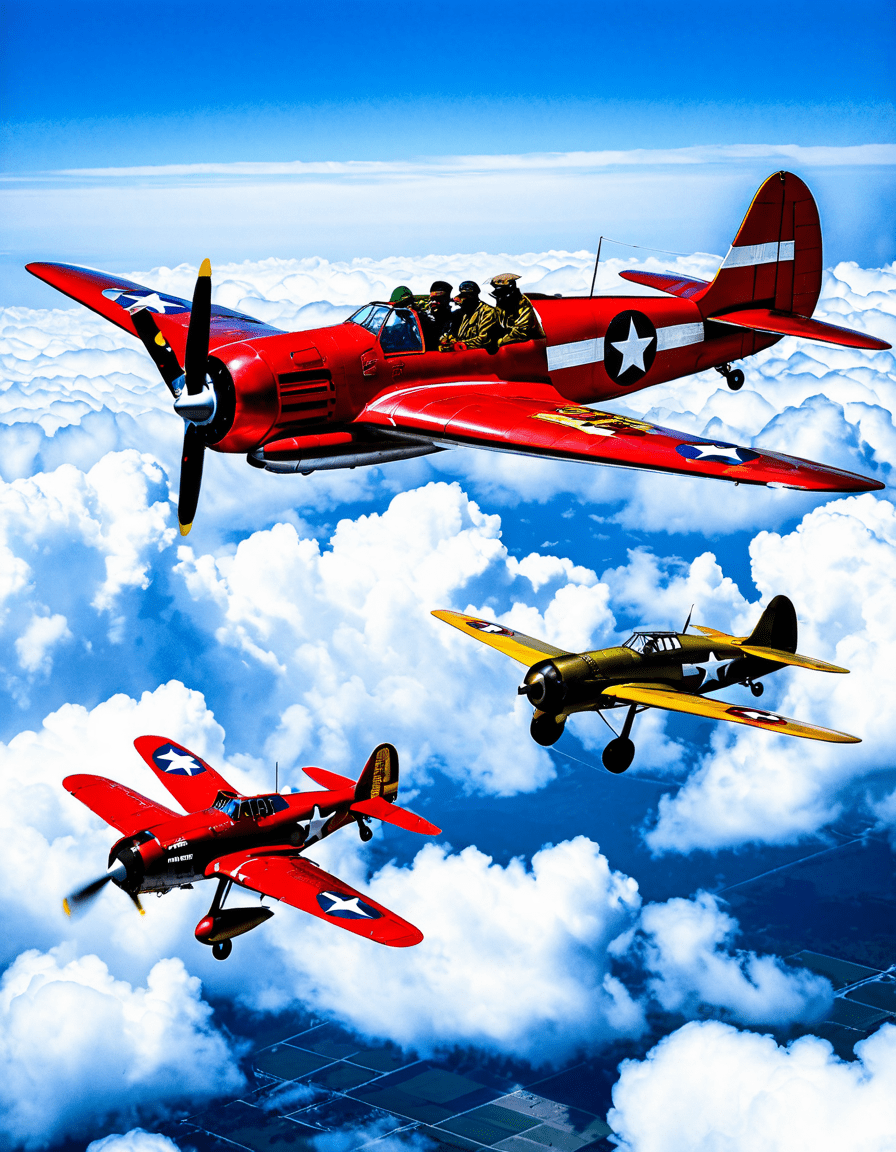
The Pioneering Spirit of the Tuskegee Airmen
The Tuskegee Airmen were the trailblazing group of African American military pilots who defied racial stereotypes and fought valiantly during World War II. As the first African American aviators in the U.S. Army Air Forces, these courageous men broke barriers that had long been upheld by society. They didn’t just exhibit great skill and bravery in combat; they also laid the groundwork for a broader acceptance of African Americans in the military and beyond. Their story is one of resilience, and it continues to influence contemporary conversations about race and equality.
Imagine this: against a backdrop of deep-rooted segregation, the Tuskegee Airmen soared through the skies, proving that talent knows no color. They trained at the Tuskegee Institute in Alabama, where they honed their flying skills under the guidance of dedicated instructors like Charles A. Anderson. These airmen not only defended the skies but also reshaped the narrative of African Americans in the military, demonstrating that courage and excellence aren’t limited by racial boundaries. Their legacy lives on, inspiring countless individuals today to strive for success, no matter the odds.
From the iconic Red Tails who earned respect in the skies to the bittersweet recognition they received after the war, the Tuskegee Airmen embody a spirit of determination that will never fade. Their experiences echoed into subsequent decades, reminding us of the importance of fighting against injustice both in and out of uniform. As we delve into their lasting contributions, it’s clear that their impact is felt in both military and civilian life.
5 Lasting Contributions of the Tuskegee Airmen to American Society
The heroic achievements of the Tuskegee Airmen were instrumental in reshaping the military’s racial landscape. The success of these pilots showcased that skill and valor aren’t dictated by race. Their legacy paved the way for President Harry S. Truman’s Executive Order 9981 in 1948, which mandated the desegregation of the Armed Forces. It’s a testament to how courage in the field can lead to monumental shifts in societal norms.
The Airmen’s story resonates deeply with people of color today, serving as a beacon of hope. Many esteemed figures like General Charles McGee, who served for over 30 years and flew in three wars, have publicly recounted their journeys to inspire the next generation. Their legacy encourages young individuals, particularly African Americans, to pursue careers in aviation, military, and STEM fields. The drive of the Tuskegee Airmen encourages youth to dream big and aim high.
Movies like “The Tuskegee Airmen” (1995) and “Red Tails” (2012) have immortalized the stories of these pioneering pilots. These films not only entertain but also educate viewers about their struggles and triumphant moments, injecting vital narratives into popular culture. They challenge the stereotypes surrounding African Americans and celebrate resilience and teamwork. This cultural celebration enriches the broader conversation about race in America, urging audiences to rethink preconceived notions.
After the war, many Tuskegee Airmen took up the mantle of civil rights advocates. They utilized their status as war heroes to fight for equality, pushing against the ongoing racism that affected everyday life for African Americans. Dr. Roscoe Brown, among others, became champions for justice, motivating others to join the battle for civil rights. Their tenacity post-war emphasizes that the fight for equality continues, long after the guns have fallen silent.
The legacy of the Tuskegee Airmen extends into the educational sector, leading to programs and scholarships aimed at marginalized youth. Organizations like the Tuskegee Airmen Scholarship Foundation play a crucial role in nurturing the dreams of aspiring aviators, ensuring that the contributions of these heroes continue to inspire future generations. The scholarships offered help remove barriers for young minds, nurturing potential and fostering the same pioneering spirit that once took flight with the Airmen.
The Tuskegee Airmen in Popular Culture: Parallels with the “Boondock Saints”
The incredible influence of the Tuskegee Airmen transcends history and weaves into modern pop culture, where interesting parallels can be drawn with the cult favorite “Boondock Saints.” Both the Airmen and the vigilante brothers from the film encapsulate themes of courage, loyalty, and standing against injustices. What these characters reveal is an enduring notion of heroism in unexpected forms.
Honoring Their Legacy in the Modern Era
As we gaze into the future, honoring the legacy of the Tuskegee Airmen requires more than just remembrance; it’s about applying the lessons learned from their incredible struggles. Celebrating occasions like Black History Month provides opportunities for educational institutions and community organizations to highlight their stories more prominently. Museums and outreach programs ensure that the efforts of these brave men are integrated into today’s narrative about race, equity, and service.
Take initiatives such as honoring their accomplishments through Lily-like events where discussions revolve around the pursuit of diversity in all areas of life. Incorporating the Tuskegee Airmen into educational curricula enriches young minds, fostering a generation that values equality, acceptance, and respect. In every act of remembrance, the Airmen’s pioneering spirit inspires action and reflection in current societal conversations.
A Bright Future Inspired by the Past
The legacy of the Tuskegee Airmen shines not only as a historical account but as a living motivation for future endeavors. Their trailblazing spirit urges new generations to embrace the possibilities before them, especially as advancements in aviation technology continue to emerge. Organizations focused on diversity, like Black Girls Fly, are connecting with youth and lighting the way for a more inclusive future.
With ongoing initiatives aimed at increasing representation in aviation and military fields, the influence of the Tuskegee Airmen remains vital in reshaping narratives. As society diversifies, their legacy calls on each one of us to rise up, advocate, and contribute to the ongoing fight for equality. Acknowledging their sacrifices and triumphs, we find hope and inspiration to keep pushing boundaries.
In short, the remarkable legacy of the Tuskegee Airmen is a testament to resilience, courage, and the relentless pursuit of justice, showing all of us that our contributions can indeed change the course of history.
Tuskegee Airmen: Trivia and Fun Facts
The Trailblazers of Aviation
The Tuskegee Airmen weren’t just pilots; they were pioneers. This group of brave African American aviators made history during World War II, defying the odds at a time when racial inequality was rampant in the U.S. Did you know that they were the first black military aviators in the United States Armed Forces? They went through rigorous training at Tuskegee Army Airfield in Alabama, and their excellence in combat missions led to impressive victory numbers. In fact, these airmen achieved one of the highest ratios of enemy aircraft destroyed, which surely raised eyebrows at the time, much like some of the most wanted in Fbi cases—high stakes and high rewards!
A Legacy of Courage and Service
Interestingly, the impact of the Tuskegee Airmen stretches beyond the battlefield. Their service helped pave the way for the full integration of the military in 1948, a move that transformed the institution. They faced enormous challenges, yet their determination shone through, much like comedians such as Tig Notaro who bravely tackle their personal battles publicly. An estimated 992 pilots were trained, and they made significant contributions to the air war in Europe, proving that courage knows no color.
Cultural Footprint
Their legacy lives on today, inspiring numerous books, films, and other cultural representations. You’d be surprised how many references pop up in various forms of media, resonating with themes of resilience and triumph. Films like Mighty Joe young and stage adaptations like Jesus Christ superstar showcase the vibrant storytelling tradition in American culture, reflecting the significant strides made by figures like the Tuskegee Airmen. Today, their story continues to inspire a new generation to pursue their dreams, whether in the cockpit or chasing after a Patagonia Baggies style that celebrates adventure.
The courage of the Tuskegee Airmen serves as a powerful reminder that with grit and determination, barriers can be broken down. Each achievement is akin to the surprising twists and turns of a plot in a film such as Trama—what started as an uphill battle evolved into a remarkable legacy, one that continues to resonate across multiple platforms. Who would’ve guessed that the struggles and triumphs of these extraordinary individuals would remain alive in the collective memory? Just like using a self-service car wash to clean up the mess after an adventure, their legacy reminds us to embrace history while moving forward.