1. The Rise of Shonda Rhimes: A Game Changer in TV Narrative
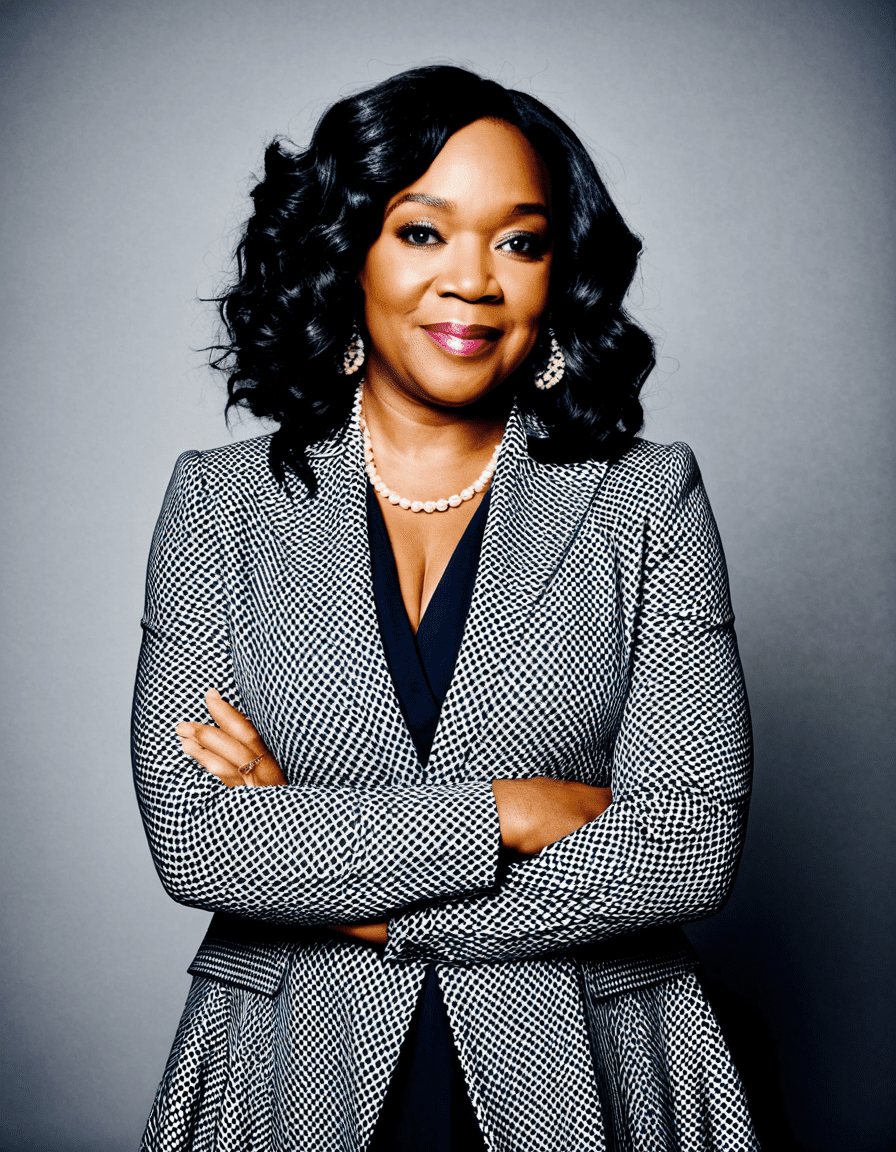
Shonda Rhimes emerged as one of the most influential figures in television around the early 2000s with her groundbreaking series, Grey’s Anatomy. This initial success laid the foundation for what became known as “Shondaland,” a production powerhouse that doesn’t just entertain but challenges existing narratives surrounding race, gender, and sexuality. Shonda Rhimes created compelling characters and intricate plots that captivated audiences and entirely changed expectations for what TV could be.
Rhimes revolutionized the small screen by prioritizing authenticity. Her stories resonate with viewers because they reflect real-life struggles and triumphs; they make us feel seen. With characters navigating everything from professional woes to personal relationships, her shows often tackle serious issues that resonate across varied demographics, making her an undeniable force in shaping modern television.
The impact of Shonda Rhimes reaches far beyond just a handful of hit shows. She’s encouraged writers and producers to create diverse storylines, turning the traditional narrative model on its head. Now, we can see a wider array of stories being told, where characters reflect our diverse world in a way that was sorely lacking before.
2. Top 5 Influential Shows by Shonda Rhimes That Changed TV
3. Cinematic Inspirations and Peer Comparisons: Shonda Rhimes vs. Amy Poehler, Ellen DeGeneres, and Others
While Shonda Rhimes revolutionized dramatic television, other influential women in comedy have also carved their niche in the entertainment industry. Take Amy Poehler, for instance. While Rhimes leans into layered storytelling with drama in shows like Grey’s Anatomy, Poehler leverages humor in Parks and Recreation. Both demonstrate how powerful storytelling can be, mixing strong female characters with unique narratives that leave a long-lasting impact.
Then there’s Ellen DeGeneres, a pioneer in the talk show realm. Known for her candid, relatable style, she broke barriers not just for comedians but also for LGBTQ+ representation on television. Both women have enriched conversations about diversity, but they tread in different formats and styles. Their contributions remind us just how impactful storytelling can be in all its forms.
Now, let’s not forget Cate Blanchett. While she’s primarily recognized for her film roles, her involvement in productions focusing on strong female narratives aligns her with Shonda Rhimes’ commitment to shine a light on women in multifaceted roles. Each of these industry giants drives the conversation forward, though they play different artistic instruments on the grand canvas of entertainment.
4. Groundbreaking Representation: The Impact on Contemporary Television and Beyond
Shonda Rhimes’ influence extends beyond mere entertainment; her work has transformed the television landscape for representation. In an era where women of color often found themselves relegated to minor roles, Rhimes has elevated complex female characters to lead narratives. This move has opened doors for countless stories that wouldn’t have been told otherwise.
With groundbreaking series like Insecure and The Good Place, networks have begun to rethink their casting choices and hiring practices. Rhimes has shown the industry that representation isn’t just good marketing—it’s absolutely necessary for authentic storytelling.
You can see the ripple effects of her work in the rise of diverse shows across all platforms. Audiences are hungry for authentic voices, and Shonda Rhimes has led the charge, holding a mirror up to society and challenging the status quo. She’s proven that strong character development caters to universal themes, bringing in viewers from all walks of life.
5. The Legacy of Shonda Rhimes: Lessons for Future Storytellers
As we examine the evolution of television through Shonda Rhimes’ lens, budding creators can take a page from her book regarding the following vital lessons:
Innovative Wrap-Up: The Future of Television in the Hands of Visionaries
Shonda Rhimes has deftly illustrated that television can serve as a powerful medium for cultural change. It shapes societal norms and expectations in profound ways. As she continues to create and inspire, we can expect the future of television to evolve with bold, fresh perspectives. By learning from her legacy, new voices will emerge, ensuring that TV remains dynamic, reflective of the diverse world we inhabit, and paving the way for innovative storytelling that resonates with audiences across generations.
In this fast-paced digital age, where art and media collide, we owe much of today’s rich television landscape to visionaries like Shonda Rhimes. She’s carved out a legacy that future creators will draw inspiration from—one where powerful stories, relatable characters, and genuine representation reign supreme.
So, let’s keep our eyes peeled for what comes next! After all, in the vibrant world of storytelling, the best is yet to come.
Shonda Rhimes: A Visionary Who Changed Television Forever
Breaking Televised Ground
Shonda Rhimes isn’t just an executive producer; she’s a powerhouse who has reshaped how we experience television. Her groundbreaking storytelling, often featuring strong female leads, has certainly raised the bar. Fun fact: Rhimes has a secret ritual that involves jotting down her ideas at a café, where she finds inspiration in the world around her. Speaking of inspiration, did you know the Superman And Lois cast 2021 is just one of many shows Rhimes has influenced indirectly? Her characters often navigate similar challenges, making them relatable and real.
Cultural Impact and Recognition
When people talk about Shonda Rhimes, they usually mention her phenomenal hit series like Grey’s Anatomy. But here’s something that might surprise you: she was told “no” many times before she found her footing in Hollywood. This perseverance fuels the storylines that have captivated audiences. Another interesting tidbit? The show Scandal, which she created, not only entertained but also sparked social conversations, similar to how The Handmaid’s Tale Season 6 has ignited discussions about women’s rights. Now, isn’t that something worth celebrating?
Mastering the Art of Storytelling
Rhimes’s ability to create an emotional connection is unmatched, and she does this while addressing serious issues, like those surrounding mental health and relationships. For example, in an interview, she discussed how she drew from her experiences as a woman of color in Hollywood—a narrative not often highlighted. It’s this type of storytelling that has paved avenues for many upcoming writers. In fact, her journey is a shining example that anything is possible, much like the unknown risks taken in episodes of Angeles America.
In a connected world, Rhimes has given us characters who not only face dilemmas but also evolve, akin to the transformation one sees in the unparalleled rise of nude Instagramers making waves today. It’s refreshing to see television reflect life’s ups and downs while keeping us on the edge of our seats—much like pondering,what’s on ABC tonight?