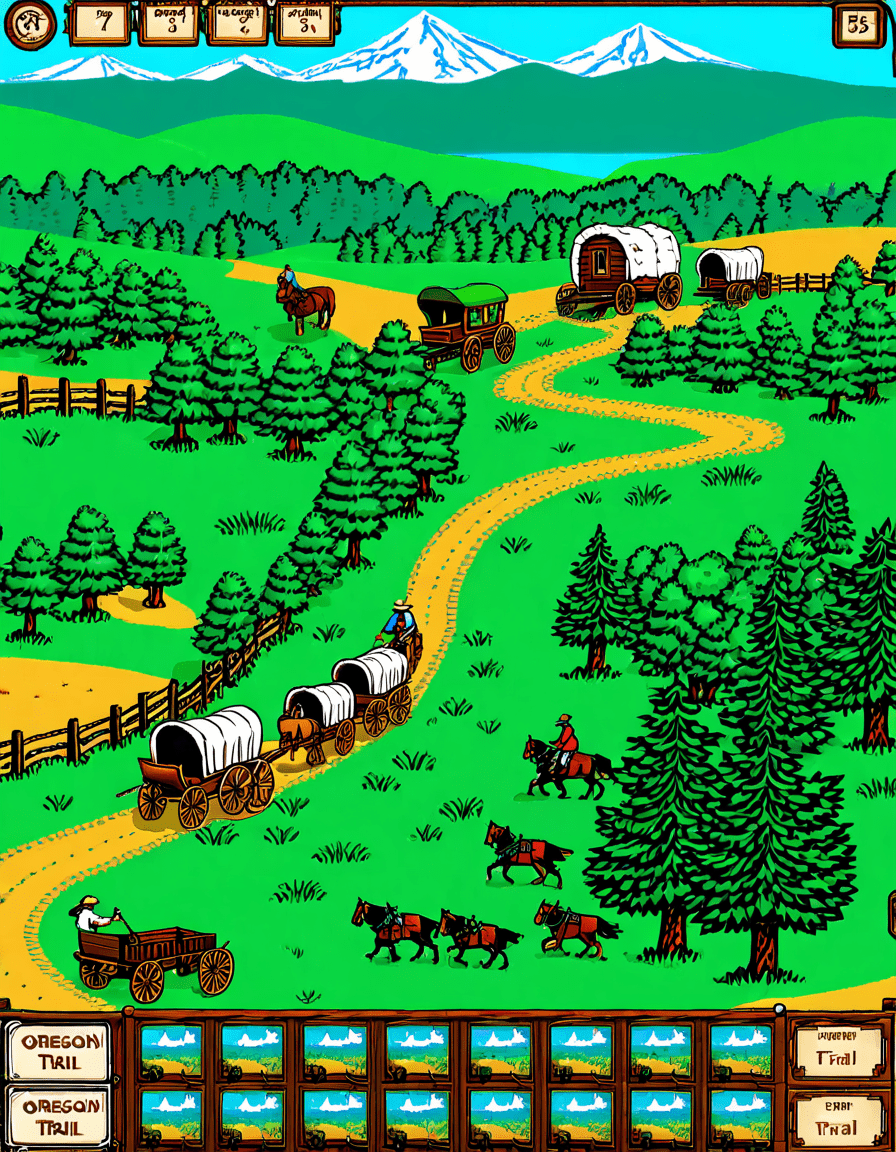
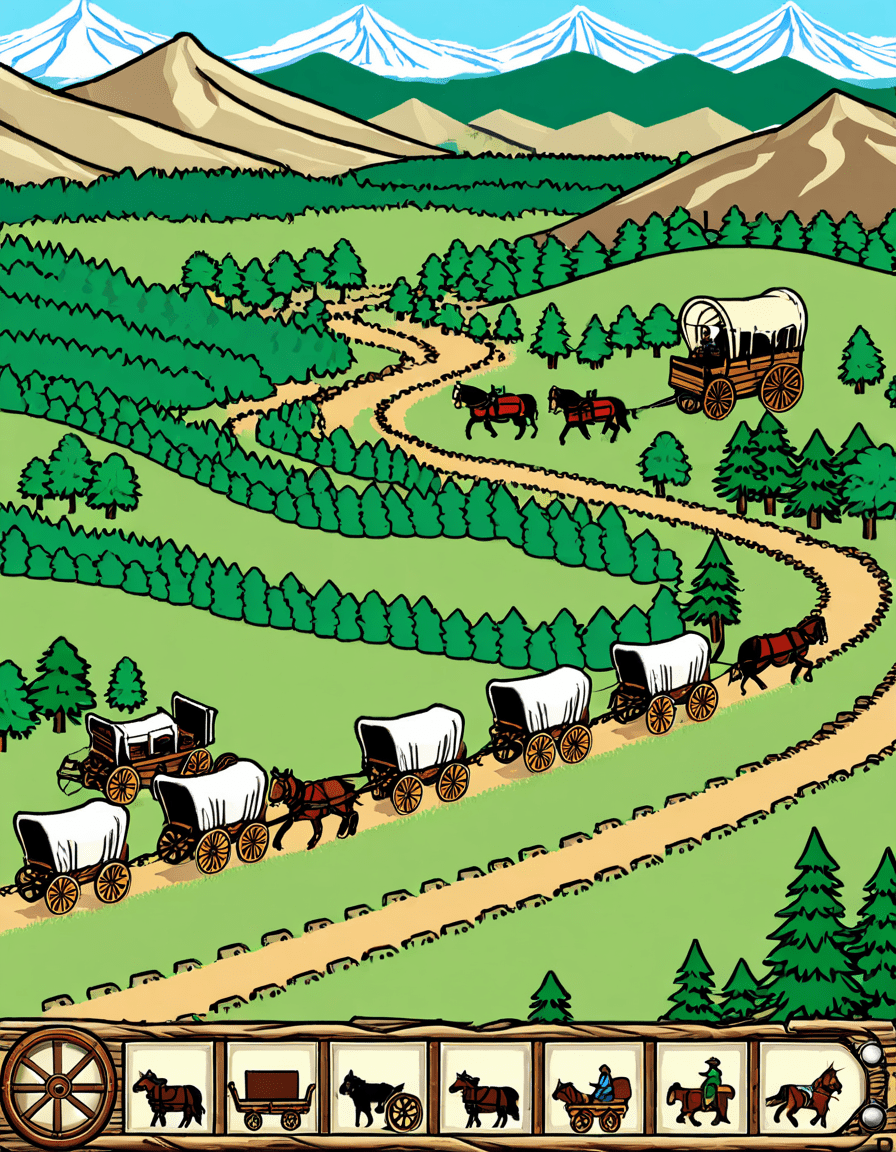
Ah, the Oregon Trail game! It’s a classic that has inspired countless players and developers over the decades. Initially launched in 1971, this game invites adventurers to traverse the rugged terrain of America, face formidable challenges, and make choices that can lead to untold riches or doom from dysentery. It’s a captivating blend of education and entertainment that holds significant cultural influence even today. Join me on this ride as we explore the Oregon Trail game and discover how it shaped modern gaming into what we know today.

7 Ways the Oregon Trail Game Influenced Modern Gaming
The Oregon Trail game revolutionized how we perceive video games. Its strategy, resource appreciation, and storytelling prowess set a sturdy foundation for modern gaming concepts. Let’s delve into the fascinating facets that continue to resonate throughout the industry.
1. Educational Gaming
First off, the Oregon Trail game was among the pioneers of educational gaming. It pulled players into a historical narrative that made learning fun and interactive. Who would’ve thought you could grasp history and math while plotting a course for the Oregon Trail? This groundbreaking approach inspired current educational titles, like Minecraft: Education Edition. Just like how students can dive into complex topics through gameplay in Minecraft, the Oregon Trail game made learning an adventure rather than a chore.
2. Decision-Making Mechanics
Next, let’s talk about the gripping decision-making mechanics. The core essence of the Oregon Trail game hinges on the choices players make. From selecting supplies to dealing with sudden illnesses, each decision could alter the course of your journey. This pick-your-adventure style echoes in titles such as The Walking Dead by Telltale Games, which dynamically modifies the narrative based on player choices. Those tense moments make every game feel personal—just like the trials faced on the Oregon Trail.
3. Resource Management
Now, what’s the deal with resource management? Players navigate through finite supplies, strategizing to survive the thrilling yet perilous journey. This crucial element of gameplay paved the way for the survival genre as we recognize it today. Titles like Don’t Starve and ARK: Survival Evolved drew inspiration from the necessity to allocate resources wisely. The odyssey of managing scarce resources is a relatable challenge that resonates effortlessly in the gaming community, proving that survival instincts remain timeless.
4. Nostalgia and Retrofuturism
Nostalgia oozes from the Oregon Trail game, leading developers to incorporate retro aesthetics in modern releases. Take Octopath Traveler, for instance, which showcases 16-bit graphics reminiscent of classics while appealing to today’s tastes. This charming throwback not only captures the essence of the past but also creates a new experience that resonates with players of all ages—a delight sewn intricately into the fabric of modern gaming.
5. Multiplayer Elements
While the original Oregon Trail game was a solo affair, it laid the groundwork for community engagements in gaming. Titles like Sea of Thieves embrace cooperative gameplay, while Fortnite introduces competitive aspects that keep players connected. Just like sharing tales of triumph and calamity around the campfire, these features help players forge bonds and create shared experiences, reminiscent of chatting about one’s trek through the Oregon Trail.
6. Integration of Humor and Tragedy
Humor combined with real-world tragedy is a delicate balance that the Oregon Trail game managed to master. It set a precedent for storytelling that many modern games have taken to heart. Just like Undertale, which elegantly intertwines humor with poignant moments, the Oregon Trail game taught us that emotional experiences can exist side by side—a little laughter can make the tough times easier to bear.
7. Cultural Impact and Interactive Experiences
Lastly, the cultural impact of the Oregon Trail game goes beyond just being a video game. It has integrated itself into various forms of popular culture. Events hosted by venues like Alamo Drafthouse revive the game’s spirit through interactive experiences, drawing in crowds eager to relive an essential piece of history. By bridging generational gaps, these events keep the narrative of American pioneers alive, weaving it skillfully into the broader narrative of entertainment.
The Evolution and Revival of the Oregon Trail Game Experience
The journey of the Oregon Trail game extends beyond its original format, transitioning through a myriad of engaging iterations. Each new version offers fresh perspectives while preserving the core elements that define this legendary experience. Let’s break down the monumental shifts in how we engage with this classic game.
Key Iterations of the Game
1. The Classic 1990 Version
The 1990 version remains an iconic pillar within the gaming community. The pixelated graphics combined with immersive gameplay struck a nostalgic chord, earning it legendary status among gamers. Many fans herald this specific iteration as the definitive experience, a delightful journey many engage with decades later.
2. Mobile Adaptations
With the rise of mobile technology, newer adaptations of the Oregon Trail game have sought to captivate younger audiences. By incorporating modernized graphics and gameplay mechanics, these versions introduce fresh challenges while retaining the educational essence of the original. Now players can journey the trail from the palm of their hand!
3. Virtual Reality Experiences
As technology advances, we’ve seen the emergence of virtual reality adaptations that offer players immersive experiences. Imagine virtually traveling the Oregon Trail, feeling like a pioneer facing hardships firsthand. Such innovations create engaging environments informing and captivating users, revolutionizing how we view educational tools.
The Impact of Gaming Events
Events like those hosted at Alamo Drafthouse serve as a testament to the ongoing relevance of the Oregon Trail game. By providing screening events or live-action role-playing activities, they bridge generational gaps and stimulate conversations surrounding important historical narratives. Each event acts not just as a remembrance but also as a platform for new discussions about the struggles and triumphs of American pioneer life.
The Cultural Legacy of the Oregon Trail Game
The enduring legacy of the Oregon Trail game stretches across generations, delving into an exploration of American history. Developers today are influenced not only by gameplay mechanics but also by the ethical dimensions surrounding storytelling and character development. Its profound cultural impact makes it an essential topic of discussion in gaming circles—a pivotal moment that continues shaping the industry’s narrative approach.
Reflections on a Timeless Journey
As we step into the future, we must look back at the Oregon Trail game and acknowledge its robust storytelling power. The lessons soldiers in a pixelated world learned continue to resonate today, inspiring new generations of gamers and developers alike. The marriage of education and entertainment solidifies the Oregon Trail game’s position as a guiding light for future innovations in the gaming industry. Every trail might be a challenge, but it’s also an opportunity for growth and exploration—something every adventurer can appreciate.
So, whether you’re reminiscing about your trials or gearing up for new challenges, remember the words of Lynyrd Skynyrd resonating within the gaming universe. Just like their classic hits, there’s always a powerful story to tell on this timeless adventure.
Oregon Trail Game: A Journey Through Time and Adventure
Did You Know?
The Oregon Trail Game has been a beloved educational tool since its launch in the 1970s. It provided kids with a taste of what pioneers faced on their journey westward, showing the fun yet challenging aspects of life on the trail. Players had to make real choices, like deciding how many oxen to take or whether to hunt for food or rest for the day. Speaking of rest, the game famously introduced the concept of lethargy, which could hit players if they didn’t manage their resources wisely.
You might find it fascinating that the journey players embark on in this game can be considered an impactful simulation of historical resilience. Just like how an apothecary provided remedies for ailments during those times, players had to make critical decisions to ensure their party’s survival through illnesses and mishaps. Interestingly, the nostalgic pixels of this educational game paved the way for modern storytelling techniques, similar in spirit to the engaging narratives found in a card chronicle.
The Legacy of the Trail
The Oregon Trail Game was more than just a fun pastime; it was part of a larger cultural phenomenon that ushered in mini-adventures for generations. The game’s iconic style connects today’s players with a spirit reminiscent of exploring an archipelago of new experiences. The light-hearted nature of the game contrasts sharply with the harsh realities of pioneer life, echoing how players navigated fun scenarios while learning important history lessons.
And here’s a fun twist: the experiences and misadventures in the game can sometimes be as colorful as a Clownfish! You might even chuckle at the quirky, random events that can occur, proving that adventure, much like a thrilling Tokyo Drift chase scene, rarely goes as planned. So whether you’re a history buff or just in for some good laughs, playing the Oregon Trail Game still offers a chic way to immerse yourself in the past while enjoying a good old-fashioned adventure.