When you think about the icons of American cinema, Martin Scorsese’s name surely rises to the surface. Known for his exceptional and ground-breaking storytelling, the Martin Scorsese filmography is a treasure trove of cinematic jewels, each worthy of exploration. Taking a deep dive into his work showcases not just the artistry behind his films, but also the cultural commentary he weaves into the fabric of his narratives. Let’s journey through seven of his most emblematic films that have undeniably shaped modern cinema.

Top 7 Iconic Films in Martin Scorsese’s Filmography
Scorsese first caught the world’s attention with “Mean Streets,” a raw portrayal of life in Little Italy. Featuring Harvey Keitel as Charlie and a youthful Robert De Niro as Johnny Boy, this film set the stage for Scorsese’s gritty storytelling. The authentic soundscape and vivid imagery established a new benchmark in American cinema, hinting at the thrilling journey to come.
“Taxi Driver” is a haunting exploration of a loner’s descent into madness. Here, De Niro shines as Travis Bickle, a disturbed Vietnam War veteran. With the iconic line “You talkin’ to me?”, this movie delves into the isolation of urban life and societal decay, allowing viewers to immerse themselves in the dark corners of the human psyche.
Regarded by many as one of the greatest films of all time, “Raging Bull” transforms the sports genre into a poignant character study. Scorsese brilliantly captures the tumultuous life of boxer Jake LaMotta, portrayed powerfully by De Niro. The film’s groundbreaking black-and-white cinematography redefined how sports narratives could be told.
“Goodfellas” is a masterful blend of style and story, painting a vivid picture of the Mafia lifestyle in a way that feels raw and authentic. The dynamic performances by Ray Liotta, Joe Pesci, and Lorraine Bracco enhance Scorsese’s fast-paced narrative. With its innovative editing techniques, this film continues to influence filmmakers and audiences alike.
Scorsese’s “Casino” explores the lavish yet gritty world of Las Vegas gambling. He captures the glam and the grit of the casino scene, showcasing a captivating dynamic between De Niro and Sharon Stone’s characters. Joe Pesci returns with an intense performance reminiscent of his role in “Goodfellas,” elevating the tension in this compelling narrative.
Winning Scorsese his long-overdue Academy Award for Best Director, “The Departed” presents a gripping tale of loyalty and betrayal within Boston’s crime syndicate. Starring Leonardo DiCaprio, Matt Damon, and Jack Nicholson, the film explores the blurred lines of morality, leaving audiences gasping until the last shocking twist.
This film marks a pivotal moment in Scorsese’s career, utilizing groundbreaking de-aging technology to tell the multifaceted story of Frank Sheeran, portrayed by De Niro. Through a haunting narrative on mafia loyalty and the weight of regret, “The Irishman” encapsulates the evolution of Scorsese’s storytelling prowess, showcasing his enduring breadth.
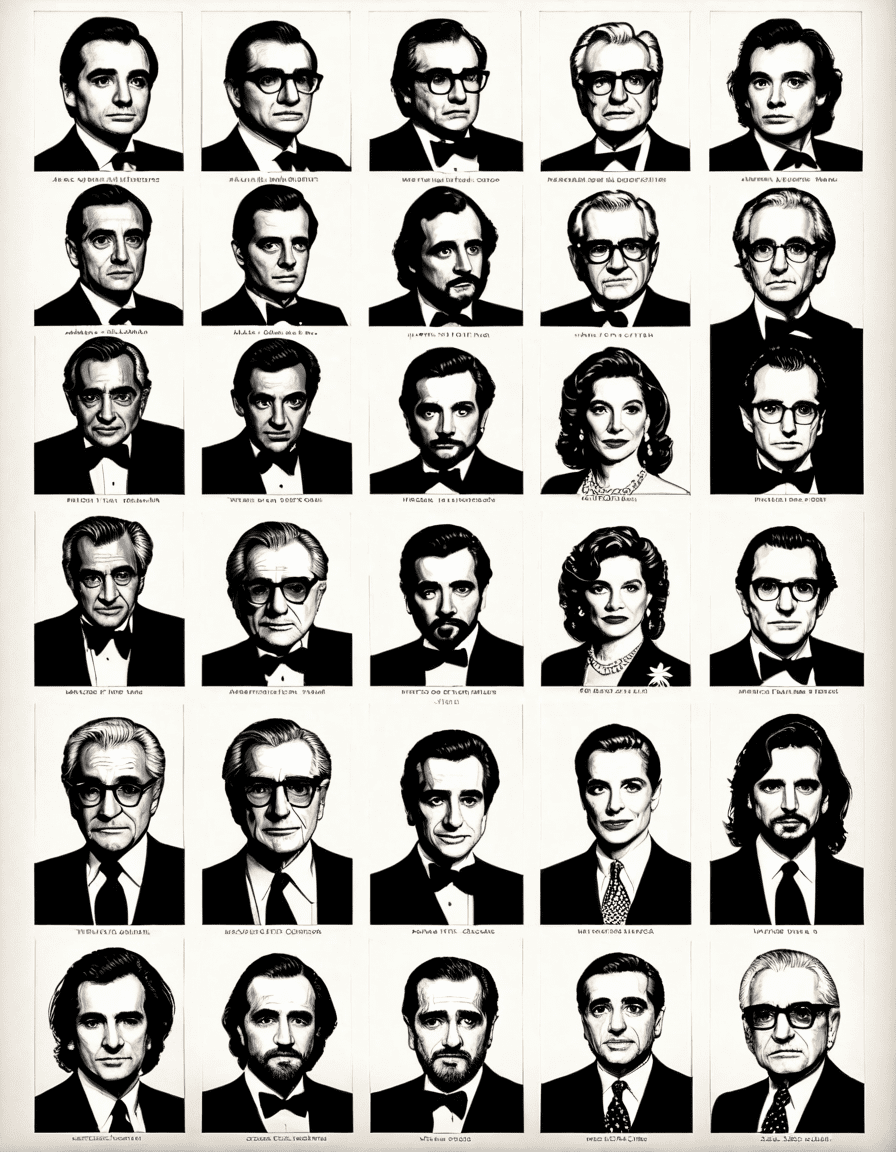
A Cinematic Journey Beyond Scorsese: Connections with Salma Hayek and Nicolette Scorsese
While the Martin Scorsese filmography shines brightly in the universe of film, it’s worthwhile considering the contributions of actresses like Salma Hayek. Her filmography often mirrors the depth and complexity found in Scorsese’s narratives. In “Frida” (2002), for instance, Hayek masterfully embodies the fierce spirit of artist Frida Kahlo, reflecting a resilience akin to the characters in Scorsese’s works.
Hayek’s roles frequently pursue themes around identity and empowerment, embodying a certain fire that resonates with the darker tones present in Scorsese’s films. She challenges the power dynamics through her characters, much like how Scorsese challenges societal norms in his filmography.
The Influence of Nicolette Scorsese
Even though Nicolette Scorsese isn’t as internationally recognized as Hayek, her impact during the late ‘80s and early ‘90s is noteworthy. Known for her role in “Christmas Vacation” (1989), her performances represent a cultural shift that Scorsese often navigates through his narratives. The characters she’s portrayed may stand as a counterpoint to the morally ambiguous personas found in Scorsese’s films, enriching the broader cinematic landscape.
Scorsese’s Narrative Techniques: Analyzing His Unique Style
Diving into the intricacies of Martin Scorsese’s filmography reveals a myriad of narrative and stylistic techniques that enhance his storytelling. His use of voiceover narration often serves to forge a direct connection with viewers, adding layers of introspection to the character’s journey. This device allows audiences to explore the inner workings of characters’ minds, deepening emotional engagement.
Scorsese’s savvy use of irony frequently highlights the moral ironies faced by the protagonists. For example, in “The Wolf of Wall Street” (2013), he satirizes the ethical dilemmas that plague its lead character. This continuity in exploring flawed characters underscores the complexity of human behavior, making his narratives feel both timely and timeless.
His collaborations with a select group of actors and crew members foster a familial atmosphere on set, nurturing a shared artistic vision. This connection manifests in the genuine pleasures and pains of storytelling, deftly articulated through richly layered characters that resonate with audiences.
Final Thoughts: Scorsese’s Enduring Legacy in Film
The cinematic journey through Martin Scorsese’s filmography unveils a tapestry of innovation, emotional depth, and cultural dialogue. His unwavering ability to adapt while maintaining thematic consistency reinforces his status as a titan in the industry. With each addition to his illustrious portfolio, Scorsese continually provokes us to reflect on our narratives and grapple with the intricate realities of existence.
As new filmmakers are inspired by Scorsese’s craft, his influence transcends generations. His films are not just stories; they serve as mirrors reflecting our shared human experiences, inviting us to question ourselves and the world around us. Ultimately, Scorsese’s work acts as a stirring reminder of cinema’s power to engage, challenge, and inspire—a legacy that is as vibrant as ever. Embrace these masterpieces from the Martin Scorsese filmography, and enjoy the ride through the heights and depths of storytelling brilliance.
Martin Scorsese Filmography: A Journey Through His Masterpieces
Scorsese’s Early Influences and Inspirations
Martin Scorsese’s film journey is filled with fascinating stories and inspirations that shaped his acclaimed narrative style. One fascinating tidbit is that as a child growing up in Little Italy, Scorsese was deeply influenced by classic gangster films, which would later inspire some of his masterpieces like “Goodfellas” and “Casino.” Did you know that Scorsese credits the 1955 thriller “Kiss Me Deadly” as one of his pivotal influences? It showcased bold storytelling that sparked Scorsese’s own creative fire, ultimately fueling the martin scorsese filmography we admire today.
Speaking of influences, Scorsese once worked on a project that examined the lives behind “the married life,” which bears semblance to the chaos and drama found in the intriguing subject of a bachelorette party. His vivid portrayals emphasize the raw humanity behind the glitz, much like events where inspirational speakers for events aim to ignite passion and drive. Events like these mirror the intentions behind Scorsese’s narratives, reminding us that there’s a human touch beneath it all.
Iconic Collaborations
Another compelling aspect of the martin scorsese filmography is his collaborations with actors like Robert De Niro and Leonardo DiCaprio. Their on-screen chemistry shines in films such as “Raging Bull” and “The Wolf of Wall Street.” Interestingly, Scorsese’s attention to detail mirrors the precision seen in the world of sports or gaming. For instance, when considering the unpredictable nature of “Dungeons and Dragons,” one can draw parallels to how Scorsese crafts his characters and their fateful journeys. It’s all a game of strategy and high stakes!
And let’s not forget the groundbreaking use of music in his films! Scorsese often integrates iconic rock and roll tracks, which not only complement the storytelling but also create a rhythm that keeps audiences engrossed. He once famously said, “Music is the greatest storytelling tool,” and it’s hard to argue with that when you think of how a classic scene can transform with the right song—sort of like getting the right shredder to ensure your documents are safely disposed of.
Fun Facts that Impress
Scorsese’s work isn’t just limited to full-length features; he’s also directed short films and documentaries, demonstrating his versatility. Did you know that “Hugo” earned him an Academy Award for Best Director? It’s a beautiful homage to the origins of cinema that even non-film fans can appreciate. A striking connection can even be drawn between the film and various “twilight movies in order,” as both highlight the power of storytelling, albeit from different genres.
Moreover, many people might be curious about the effects Scorsese has had on the film industry, much like wondering how one can convert 1 billion won To Usd. His impact is incredibly valuable—his mastering of cinematic language has changed the game entirely for modern filmmakers. So next time you dive into one of his classic films, remember that you’re not just watching a movie, you’re navigating through a master’s work that combines past inspirations with cutting-edge storytelling!