1. The Enduring Legacy of King Kong
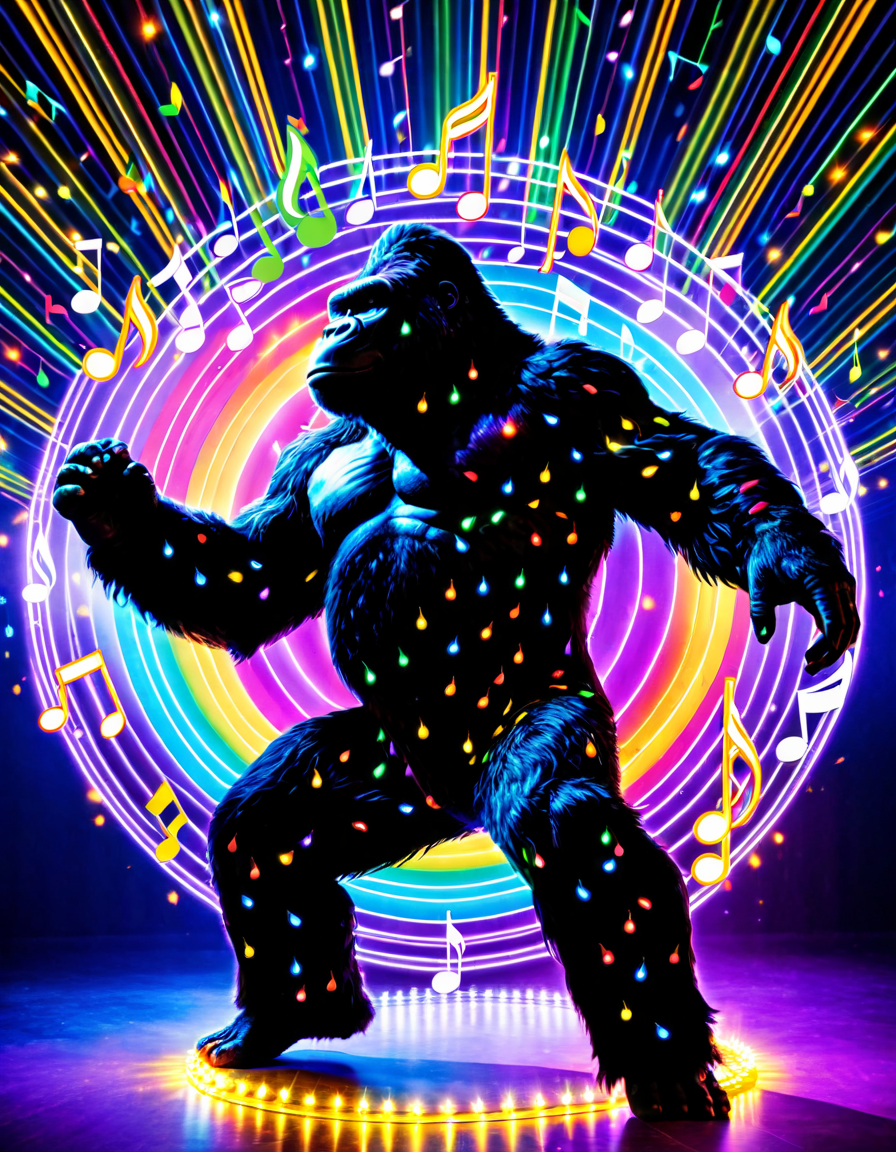
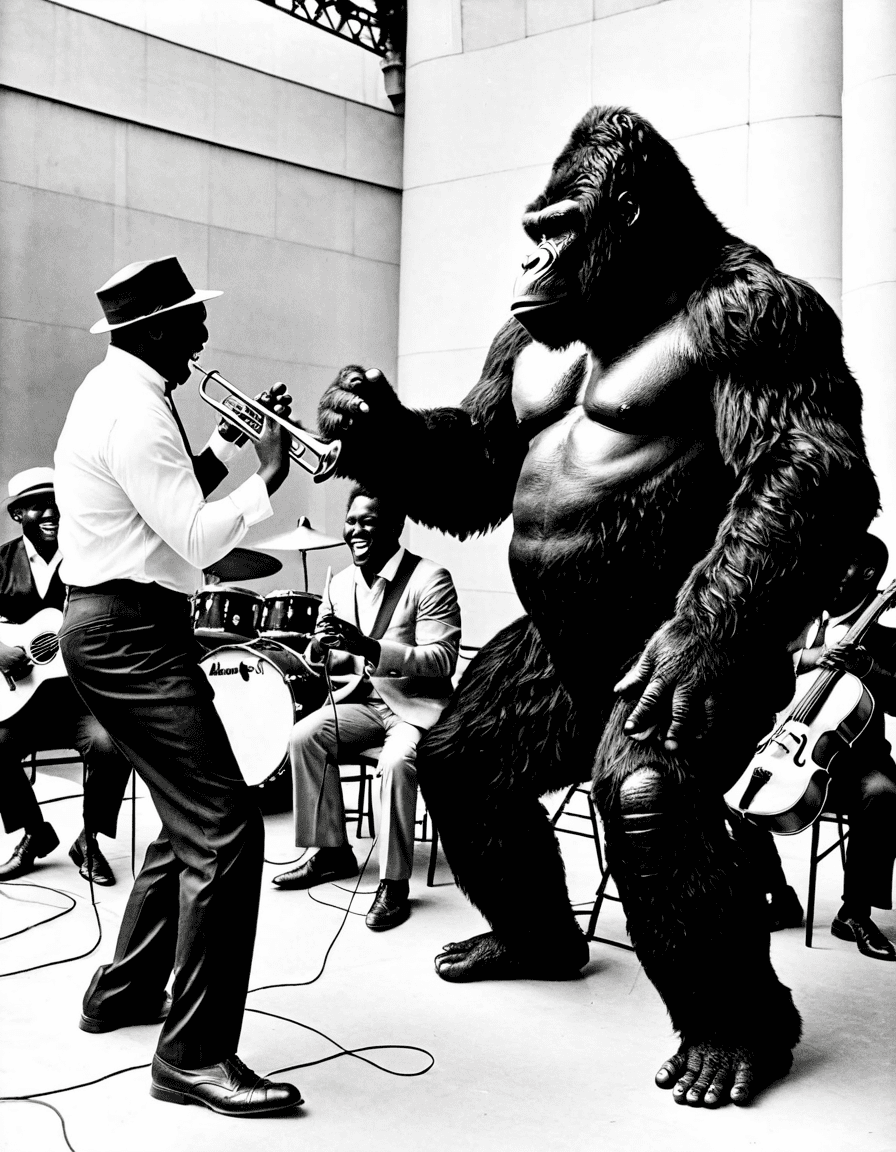
Ah, King Kong! Since bursting onto the silver screen in 1933, this colossal creature has transformed from a mere monster into a veritable cultural phenomenon, captivating audiences far and wide. Featuring cutting-edge special effects for its time, the original film merged elements of adventure, romance, and tragedy into a single masterpiece. The iconic image of King Kong atop the Empire State Building not only left a lasting impression but set a gold standard that filmmakers still aspire to today.
Over the decades, King Kong has seamlessly evolved, appearing in an array of films, comics, and merchandise, thus creating a sprawling franchise that taps into the intricacies of human emotion. His story, at its core, mirrors the complexities of our collective psyche, encapsulating fear, love, and the enchantment of the unknown. Each retelling of King Kong’s tale highlights various aspects of our relationship with nature, underscoring themes that are both timeless and universal.
From the original black-and-white classic to the vibrant reimagining by Peter Jackson in 2005, King Kong’s legacy continues to flourish, demonstrating a fascinating adaptability. As society progresses, so too does the narrative of King Kong, ensuring he remains a relevant icon for generations to come. Who hasn’t felt a pang of empathy for him, perched high above the city, a misunderstood beast trapped between two worlds?
2. Top 5 Reasons King Kong Remains a Beloved Figure in Pop Culture
1. Symbol of the Outsider:
King Kong serves as a poignant representation of the outsider’s struggle. His narrative epitomizes themes of alienation and love, resonating deeply with viewers who share similar feelings of being different or misunderstood. It’s a relatable story that tugs at our heartstrings, prompting us to reflect on our own lives.
2. Innovation in Film Technology:
The original King Kong movie set benchmarks in film innovation, employing groundbreaking stop-motion animation techniques that pushed the boundaries of what was possible in cinema. Each subsequent remake, whether in 1976, 2005, or the contemporary 2021 adaptation, has built on this legacy, continually redefining how visual storytelling can be presented. It’s fascinating to witness how technology has evolved alongside King Kong’s image.
3. Cultural Commentary:
King Kong astutely captures societal fears and fascinations, particularly the persistent clash between nature and industrialization. Characters like the Loch Ness Monster parallel this narrative, representing humanity’s ongoing intrigue with the unseen and natural world. These myths fuel local economies and ignite creativity, serving as cultural touchstones that connect us to our collective past.
4. Merchandising and Branding:
King Kong stands tall as a commercial titan. His image has become an effective branding tool, showcasing versatility across multiple sectors. From action figures and video games to partnerships with brands like LEGO, King Kong’s universal appeal transcends age and culture, proving his status as a multi-generational icon ready to delight enthusiasts of all kinds.
5. Influence on Other Media:
The shadow of King Kong looms large over modern storytelling, inspiring countless characters and franchises. Take Crocodile Dundee, for instance; he embodies the thrill of adventure akin to King Kong’s primal instincts but delivers it with a dose of humor. Characters that stem from King Kong’s legacy share a common thread: they explore the delicate balance between civilization and the wild, inviting audiences to embark on their own adventures.
3. A Comparative Analysis: King Kong, Crocodile Dundee, and the Loch Ness Monster
To get to the heart of why King Kong remains so beloved, let’s pit him against other cultural giants like Crocodile Dundee and the Loch Ness Monster. Each has its own unique charm and relevance.
These comparisons highlight that while each character comes from different backgrounds, they share a central theme—embodying humanity’s struggles and aspirations in ways that continue to resonate.
4. King Kong’s Evolution Through the Decades
The evolution of King Kong throughout cinematic history is a marvel. The groundbreaking 2005 adaptation by Peter Jackson took the original storyline and intricately layered it with dimensions of emotion. This version dove deep into the tragic aspects of Kong’s existence, showcasing his innocence, vulnerability, and the discomfort that arises from our interactions with nature. It reflects a significant cultural shift towards acknowledging our responsibility in safeguarding the environment.
As themes shifted, so did the portrayal of King Kong. The recent reimaginings continue to explore his character with different lenses, from monstrous to misunderstood. It’s no longer just about the beast wreaking havoc; it’s about understanding his plight and the circumstances that lead him to destruction. Each iteration serves to remind us that monsters often lie closer to home than we think.
King Kong’s progression continues as filmmakers create new narratives that speak to contemporary issues, such as environmental degradation and technological advancements. As our societal values evolve, so too does King Kong, keeping him alive in our collective consciousness.
5. The Impact of King Kong on Future Creatures in Cinema
The footprint of King Kong in the cinematic landscape has paved the way for myriad iconic monsters. His blend of awe and compassion has shaped how audiences perceive larger-than-life creatures on screen. Think about films like “Godzilla,” which echo Kong’s narrative approach by grabbing our attention with spectacular visuals while simultaneously drawing on emotional insights.
This blend of spectacle and depth has become a blueprint for character development that breathes life into monstrous figures. Each new giant monster emerging in cinema operates under the shadow of King Kong’s legacy, inviting audiences to empathize with them—even when chaos ensues. It’s this complexity that makes audiences stand up and cheer for the misunderstood, echoing our humanity and shared experiences.
As filmmakers push boundaries and innovate, we can only expect King Kong’s influence to continue shaping future narratives, ensuring the spirit of his story endures.
Innovative Wrap-Up: Embracing the Monster Within
King Kong isn’t just some giant ape rampaging through the streets; he’s a mirror reflecting our own fears, hopes, and vulnerabilities. His evolution over the years has unearthed deeper narratives about love, fear, and societal values that shape our world. As we wade through life’s ups and downs, he remains a reminder of our inner beasts, the beauty in our vulnerabilities, and the importance of understanding that which may seem alien to us.
This icon will likely continue to inspire fresh adaptations, adaptations that resonate just as deeply in the future as they have in the past. The story of King Kong binds us together, creating an ongoing dialogue about what it means to be human in an increasingly unfamiliar world.
King Kong: Fun Facts About the Incredible Monster
King Kong’s Film Evolution
Since his debut in 1933, King Kong has become a cinematic icon, captivating audiences with his sheer size and emotional depth. Did you know that one of the original movies was such a box-office success that it paved the way for future monster films? Nowadays, you might even find parallels in epic productions inspired by Kong, like those featuring the likes of Stacy Keach, who’s left a mark in cinema through his versatile roles. Speaking of memorable performances, King Kong was originally brought to life with intricate stop-motion animation, showing the ingenuity of filmmakers at the time.
Cultural References and Impact
Over the years, King Kong has also appeared in numerous parodies, cartoons, and crossovers, intertwining with other cultural phenomena. For instance, films starring actors like Dustin Hoffman have drawn inspiration from the themes of fear and fascination that King Kong embodies. Interestingly, King Kong has even taken a seat in pop culture discussions that extend to things like how many electoral votes in California or the latest Lea Michele project that flirts with fantastical elements, highlighting the giant ape’s lasting resonance. It’s fascinating how a giant gorilla can bridge the gap between politics and entertainment!
Kong in Today’s World
As we dive deeper, King Kong also inspires modern creators, leading to contemporary adaptations and discussions that resonate with new generations. For instance, platforms like JANGO host content that reminds us of the epic battles King Kong faces, whether against humans or other beasts. Moreover, he’s found his way into the hearts of fans through merchandise, animated series, and even theme park attractions, echoing the spirit of Zooey Deschanel movies and TV shows, which capture the whimsical and fantastical. With his diverse representation across media, King Kong remains a fascinating character that continues to evolve and inspire storytelling in vibrant ways!