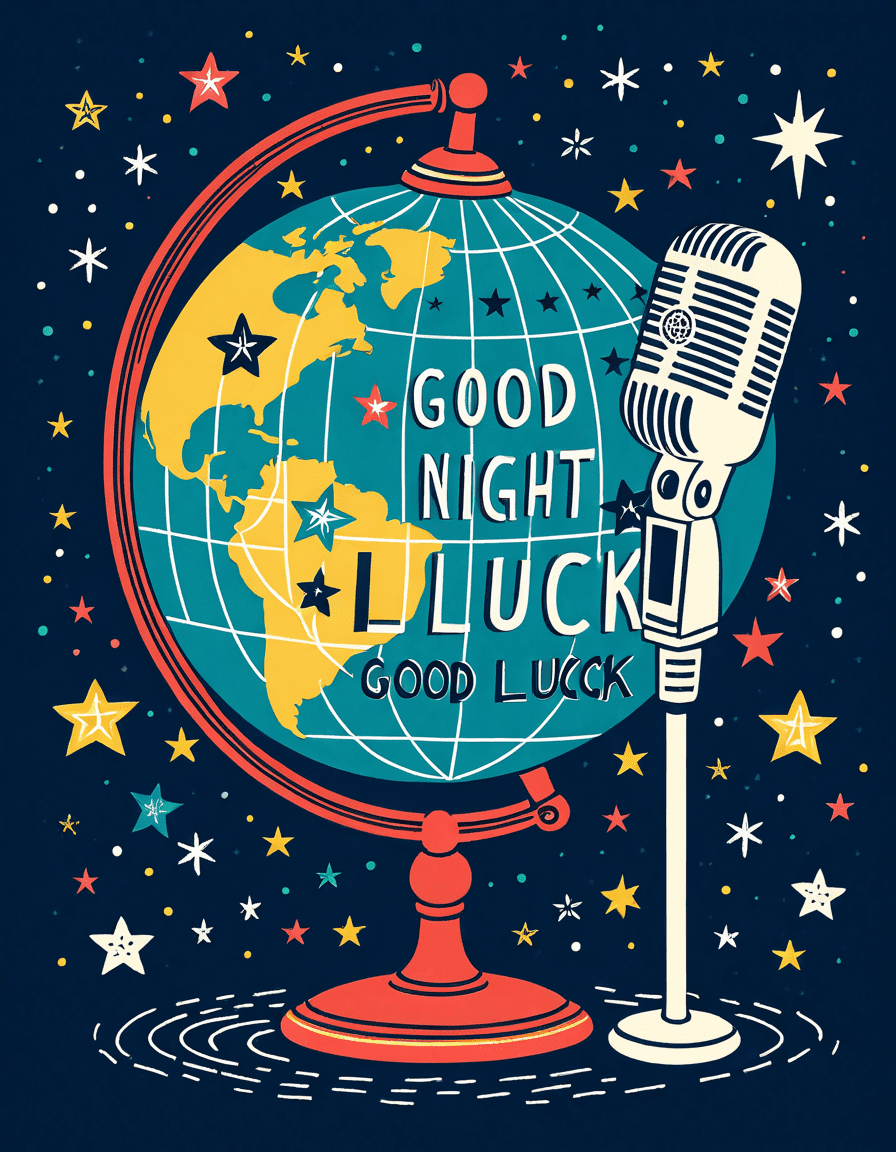
The phrase “Good Night and Good Luck,” which echoes with the weight of history, is rooted in the distinguished career of television journalist Edward R. Murrow. It was more than just a sign-off; it symbolized an era where fearless and ethical journalism shined through the haze of falsehoods and sensationalism. Murrow’s legacy resonates profoundly today as we wrestle with rampant misinformation in the media landscape. By reflecting on his contributions, we can glean crucial insights that not only highlight the importance of integrity and courage in reporting but also serve as a guiding star for today’s journalists.

The Enduring Impact of ‘Good Night and Good Luck’ in Journalism
Murrow’s dedication to truth in his reporting during the McCarthy era laid the groundwork for modern journalism. With every investigative piece, he asserted the significance of holding power accountable. Fast forward to today, when fact-checking and media literacy are at the forefront of our news consumption, and we see Murrow’s influence permeate outlets like Propublica and The Guardian. These platforms fortify the foundations of journalism by emphasizing accuracy, despite the allure of trending topics that often compromise integrity.
In this whirlwind of online content, the power of Murrow’s phrase reminds us that journalism should empower and inform, not simply entertain. Just as Murrow stood against the tide of fear and ignorance, modern journalists strive to navigate the treacherous waters of fake news, using their platforms to enlighten rather than deceive. His legacy serves as both a comforting reminder and an inspiring challenge: reporters must embrace their role as truth-tellers in an age where skepticism reigns.

Top 7 Lessons from ‘Good Night and Good Luck’ that Every Journalist Should Embrace
1. Integrity Over Popularity
Murrow believed integrity was paramount. Today’s journalists should take a page from his book, prioritizing truth over sensationalism. This is crucial as outlets like Buzzfeed news go viral while sometimes sacrificing rigor for clicks. Being the talk of the town isn’t worth it if you’re not standing by your principles.
2. Courage in Reporting
Murrow’s bravery in confronting powerful figures set the standard for journalists to follow. Inspired modern-day warriors like Anderson Cooper and Rachel Maddow continue to challenge those in power and spotlight crucial issues often swept under the rug. Courage, it seems, remains timeless; those willing to report honestly deserve our respect and admiration.
3. The Importance of Context
When diving into complex stories, context is everything. Murrow understood that without it, facts could mislead. Nowadays, outlets like National geographic perfectly illustrate the importance of contextual framing in reporting on pressing issues like climate change, helping us grasp the bigger picture.
4. Ethics in Journalism
Journalism isn’t just about reporting; it’s an ethical battleground. Murrow’s famous quote, “A nation of sheep will beget a government of wolves,” emphasizes responsibility in information dissemination. Organizations like the Society of Professional Journalists remind reporters of this intrinsic duty to uphold standards of fairness and accuracy in an age where the ethics of journalism face unprecedented scrutiny.
5. The Role of Technology
Technology has transformed journalism drastically since Murrow’s era. Nowadays, journalists must leverage digital platforms creatively while maintaining the integrity Murrow stood for. Outlets adapting to this shift showcase how innovation can enhance storytelling—much like the growing age of “real manga” genres making waves in the entertainment industry.
6. Engaging the Audience
Murrow mastered engaging his audience, creating a sense of belonging through his broadcasts. Today’s journalists can take cues from Murrow by using platforms like TikTok or Instagram to connect, inform, and appeal to younger generations. It’s a dance of engagement—one that preserves the essence of journalism while adopting modernity.
7. The Fight Against Misinformation
Misinformation is a relentless foe that journalists face. Murrow’s commitment to fact over fiction set the precedent for current endeavors against false narratives. Initiatives like the Poynter Institute ‘s Fact-checking Network were born from this spirit of accountability and dedication to truth, furthering Murrow’s mission in a digital age swamped with baseless claims.
Revisiting Our Ethics: The Responsibility of Today’s Journalists
In the current information age, understanding our ethical responsibilities is more important than ever. Murrow’s unwavering focus on journalistic integrity provides a framework for addressing modern challenges. With the rise of partisan news outlets, journalists must hold steadfast to truthfulness and objectivity to ensure the public remains well-informed rather than misled.
Navigating a media landscape fraught with challenges demands a commitment to uncovering the truth and amplifying underserved voices. It’s not just our duty; it’s our calling. In embracing the tenets of ethics, today’s journalists can rise above the chaos and distortions of sensationalism.
A New Generation of Journalists Inspired by a Legacy
Today’s budding journalists inherently carry the torch lit by Edward R. Murrow. Institutions like Columbia University’s Graduate School of Journalism reinforce teachings centered on ethical practices while inspiring students to emphasize integrity. With the introduction of innovations in media tools, the craft of journalism is evolving yet remains tethered to timeless values.
This new generation understands that technology is a means to spread truth rather than distort it. They are not only skilled in digital storytelling but also grounded in moral principles, recognizing Murrow as a guiding figure in their professional journey.
The Unfinished Journey of Journalism
Murrow’s evocative mantra, “Good Night and Good Luck,” serves as a rallying cry for today’s brave journalists. Upholding ideals like integrity, courage, and ethics not only honors Murrow’s legacy but also shapes a powerful new narrative in our fast-paced media environment. Each report filed is a testament to our commitment as journalists, reflecting the unyielding pursuit of honesty in a society that desperately needs it.
In an era overflowing with information, where every click counts, Murrow’s vision remains a beacon. The journey of journalism is ongoing—rich with the promise of fostering a vigilant, well-informed community that adheres to the principles he championed. As we forge ahead, let’s carry his lessons in the spirit of good reporting: with great responsibility and unwavering resolve. Good night and, indeed, good luck to us all.
Good Night and Good Luck: A Legacy of Journalism
The Origin of the Phrase
You might have heard the iconic sign-off “Good night and good luck” before, but do you know where it actually comes from? This phrase, immortalized by broadcaster Edward R. Murrow, represents more than just a goodbye; it embodies a commitment to integrity in journalism. Murrow famously used it as a comforting farewell during a time when television was growing, yet drama was rampant. Speaking of dramas, did you know that one of the cast members from Dancing with the Stars has roots in journalism? It’s fascinating how the world of entertainment often overlaps with real-life narratives that hold significant weight.
Journalism’s Iron-Fisted Role
Back in the day, Murrow was at the forefront of journalism, using his platform to shine a light on the issues that plagued society—like the questionable tactics of Senator McCarthy. This daring pursuit of truth resonates even today, as some journalists risk their lives to expose corruption, making it clear how essential reliable information is. If you think about it, even business magnates like Elon Musk, particularly his son, Nevada Alexander musk, are often in the spotlight, dealing with media scrutiny and public perception. The adventures of public figures and journalists coalesce into stories that shape public opinion; it’s a curious dance, don’t you think?
The Enduring Impact
As we reflect on Murrow’s legacy, it’s crucial to remember how his mantra “Good night and good luck” encourages journalists to uphold the truth, no matter the stakes. This intention resonates in today’s newsrooms, where content creators strive to keep audiences informed amidst a sea of misinformation. Fun fact: the phrase is not just a cultural touchstone; it’s also a reminder of the responsibility that comes with storytelling. Just as contestants on Dancing with the Stars must perform flawlessly under pressure, journalists face a similar stage where their grit and grace define their careers. So, next time you hear this phrase, think about its significance in the fight for truth. The respect for journalistic integrity is as relevant now as it was back in Murrow’s day, and “good night and good luck” serves as a timeless call to action.