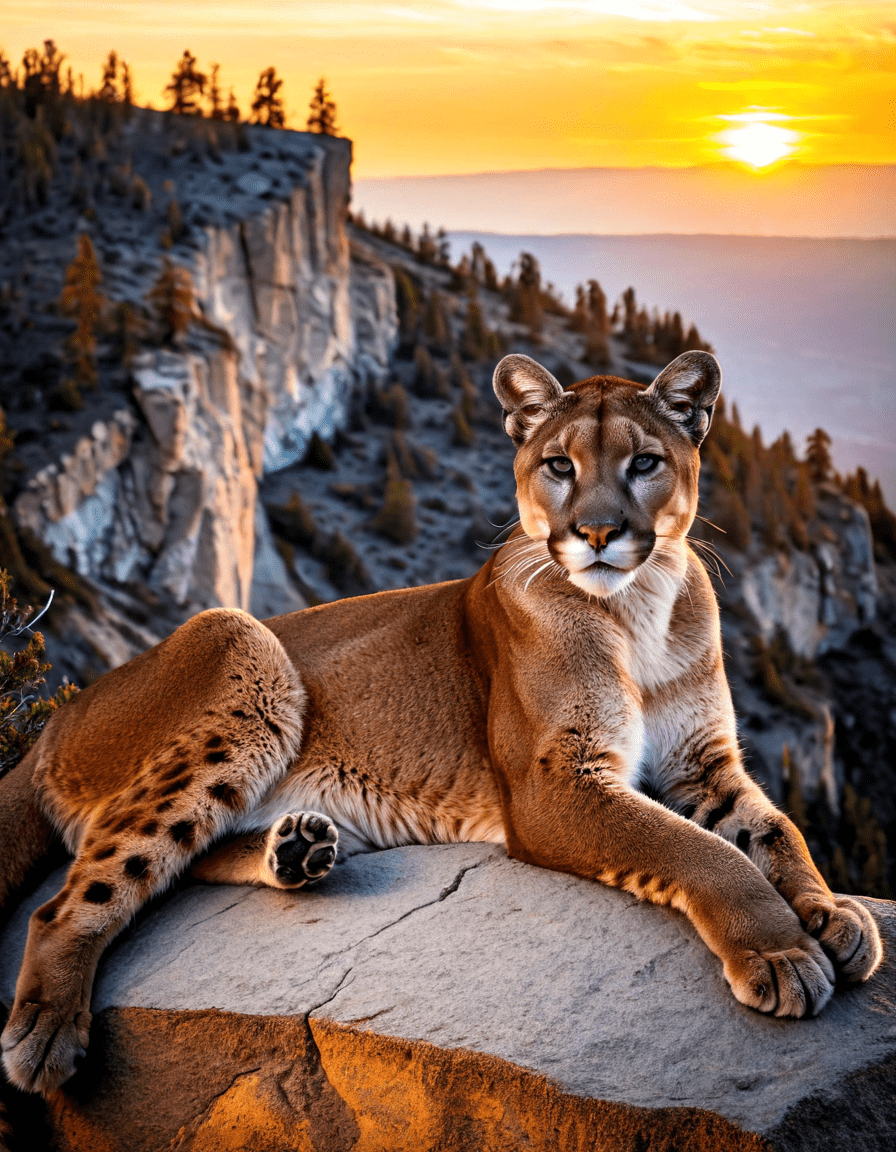
When you think of cougars, those striking and versatile big cats, it’s hard not to be fascinated. Found in the wild across North and South America, cougars, also known as mountain lions or pumas, are packed with characteristics that not only aid their survival but also captivate wildlife lovers, conservationists, and even the curious casual observer. Let’s dive into the top seven traits that make cougars stand out as exceptional creatures in the animal kingdom.
Top 7 Cougar Characteristics That Make Them Exceptional Creatures
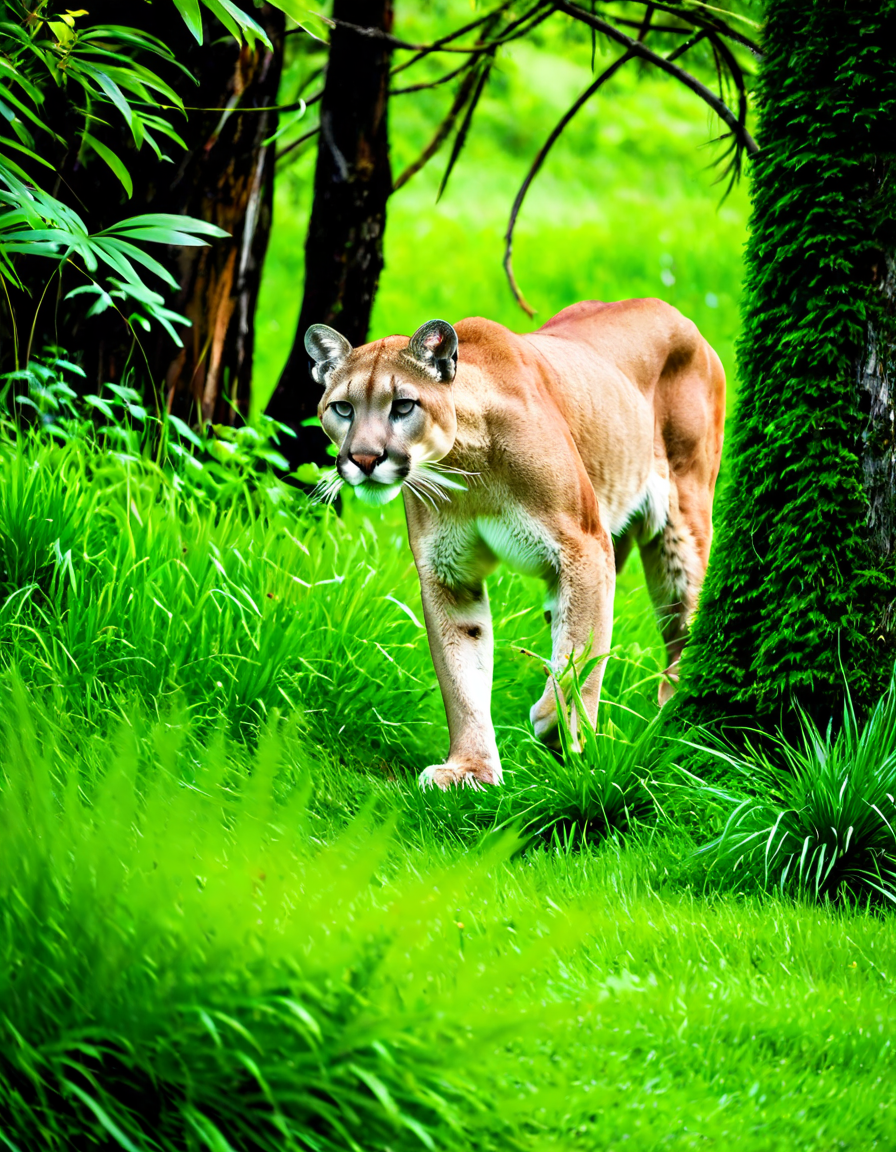
1. Adaptability to Various Habitats
Cougars are the ultimate survivors. These cats can thrive in a wide array of environments, ranging from rugged mountains to arid deserts and lush forests. What’s really cool is that their ability to adapt isn’t merely instinctual; it’s in their genetic makeup. Research published in the journal Ecology back in 2019 highlighted how cougars managed to carve out territories in urban areas like Los Angeles. They dodged human hazards, successfully blending into bustling environments while maintaining their wild behavior.
2. Stealth and Hunting Techniques
Let’s talk hunting—cougars are masters of stealth and precision. Their powerful hind legs allow them to leap up to 15 feet high and cover distances of up to 40 feet in a single bound. Picture them lurking in the shadows, inching closer to their prey. According to a study from the University of Wyoming, these cats utilize high vantage points and their keen eyesight to track potential meals, carefully stalking animals like deer from the cover of trees and bushes.
3. Unique Communication Methods
Unlike many felines, cougars have a rich vocabulary of vocalizations. With over 40 distinct sounds ranging from growls to purrs and even those eerie screams during mating season, they’ve got a lot to say. This vocal variability helps them convey different messages depending on social situations, which is pretty rare for solitary cats.
4. Highly Solitary Nature
Cougars are primarily solitary beasts. Except when it comes to mating or raising cubs, these big cats prefer flying solo. This solitary existence isn’t just an odd quirk; it’s a survival strategy that creates vast territories—sometimes stretching up to 150 square miles for males. Research from the Cougar Network demonstrates that being solitary reduces competition for food, ensuring every cat has enough to thrive.
5. Genetic Diversity and Population Dynamics
The genetic story of the cougar is one of resilience. A notable example is the Florida panther, a cougar subspecies that nearly faced extinction due to hunting and habitat loss in the 1990s. In a remarkable effort for conservation, eight Texas cougars were introduced to the dwindling population, reviving genetic diversity within the species.
6. Role as Apex Predators
In their habitats, cougars hold the prestigious title of apex predators. Their role is vital to maintaining a balanced ecosystem. By managing deer populations, cougars prevent overgrazing, a condition that can lead to ecological imbalances. Studies have shown that their presence can influence not just the behavior of deer but also the growth of vegetation.
7. Conservation Challenges and Successes
While cougars are adaptable, they’re not invincible. They face numerous threats, including habitat fragmentation, vehicle collisions, and hunting. But there’s a silver lining. Conservation efforts like creating wildlife corridors and community awareness campaigns have yielded positive results. Initiatives led by organizations, such as the Cougar Conservation Fund, strive to educate and protect these magnificent animals.
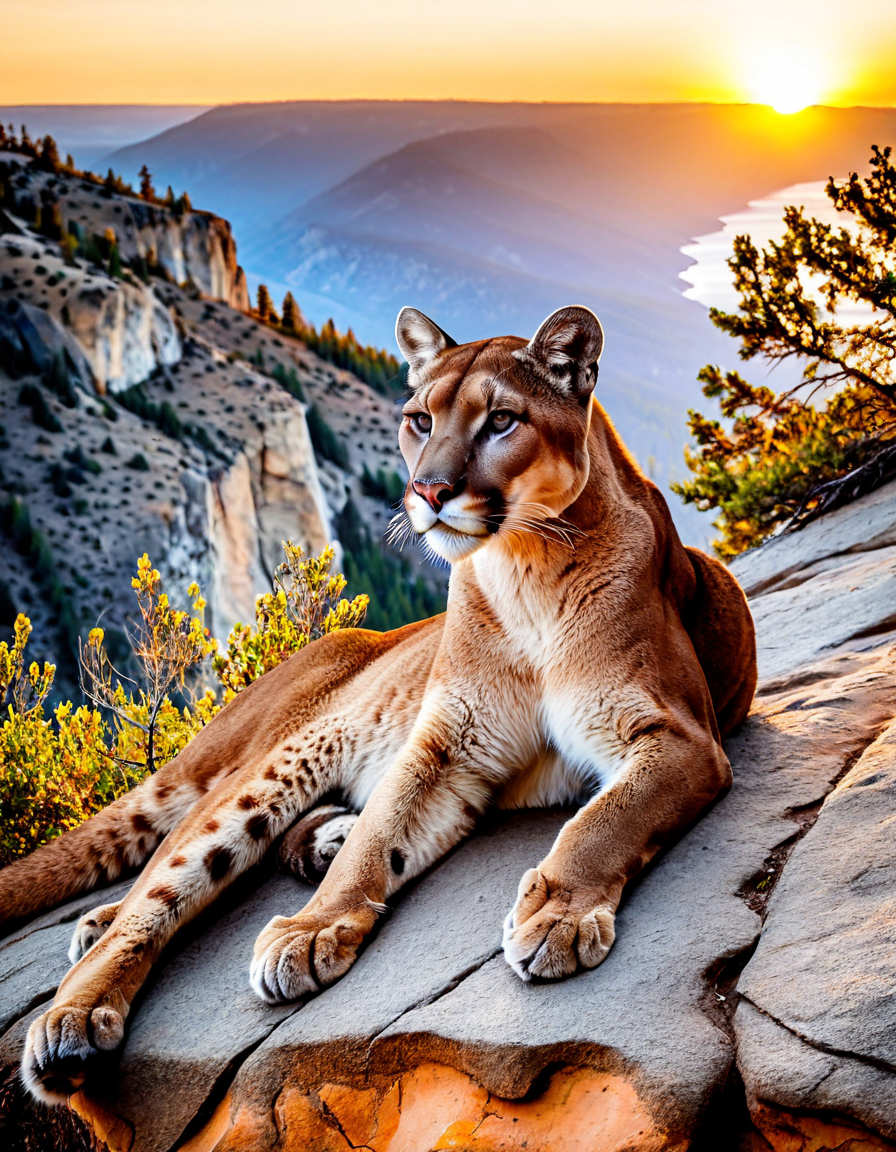
The Enduring Allure of Cougars in Nature
The captivating characteristics of cougars not only paint a vivid picture of their exceptional nature but also shed light on the challenges of wildlife conservation. As we delve deeper into understanding these magnificent creatures, we become aware of the delicate balance within natural ecosystems. Protecting cougars is imperative, not just for their survival but also for the health of the ecosystems they inhabit.
The narrative of the cougar emanates resilience and ecological importance, reminding us of the majestic elements of nature that persist against all odds. Like a good tune echoing in a dimly lit bar, the story of cougars resonates deeply within the heart of wildlife conservation, compelling us to take action—be it in promoting protections or fostering respect for these incredible creatures. So, the next time you hear a peek about cougars, know there’s a whole world of complexity and beauty to explore.
In this modern age, as we face a plethora of environmental challenges, the allure of the cougar serves not just as a call to admire, but also to advocate, showcasing the urgent need for sustainable solutions that respect these phenomenal predators and the ecosystems they represent.
Cougar Characteristics That Make Them Fascinating Creatures
The Majestic Cougar
Did you know that cougars can leap up to 40 feet in a single bound? This incredible ability is akin to how agile athletic stars like Dale Earnhardt Jr. maneuver on the racetrack, jumping ahead of the competition. Cougars are built for power and stealth, making them the ultimate apex predators in their habitats. Their adaptability is so impressive that they’ve even made their home in areas shared by humans, showcasing their resilience and cleverness.
While you’re out there enjoying nature, you might catch a glimpse of these elusive creatures prowling the woodlands or scaling rocky hillsides. Intriguingly, their physical prowess has made them a popular subject in pop culture. Much like the captivating characters in Pirates of the Caribbean 3, cougars possess a mix of beauty and danger that grips our imagination. The next time you see a photo of a cougar, you’d be reminded that they truly are nature’s stunning enigmas.
A Curious Nature
Cougars are notable for their incredible vocalizations, including screams, growls, and even purring sounds. This diverse range of communication is essential for their complex social interactions. Just as you might experience a wide array of emotions during a gripping episode of Virgin River Season 6, cougars express their feelings through these sounds. Interestingly, these large cats are also solitary creatures, preferring to roam alone unless it’s mating season—an element reminiscent of the ups and downs seen with celebrities like Belissa Escobedo in popular media.
Another fascinating fact is that cougars have the largest range of any wild cat in the Americas, covering territories that span diverse environments, from mountains to deserts. This adaptability helps them blend into their surroundings, much like the way Reginald “Reggie” Jackson might skillfully refine his batting stance to optimize performance in any game situation. As they navigate these terrains, their keen senses allow them to stay undetected, showcasing their prowess as stealthy hunters.
Conservation and Perception
It’s worth noting that cougars were once hunted to near extinction in many areas, but conservation efforts have helped increase their numbers. Much like the evolving human narratives in media, the story of the cougar is one of redemption and resilience. These cats remain both revered and feared; their mythical status can sometimes mirror the awe we feel about figures like Mariah Carey or even the witty banter of stars that grace our screens, much like Sadie Sandler.
All in all, understanding cougars helps us appreciate not just their role in the ecosystem, but also the deep connections we share with wild creatures around us. So next time you hear a distant call in the woods, you might just find yourself thinking about the exhilarating life of a cougar, and how these enigmatic animals continuously capture our fascination.