The Chernobyl disaster, which unfolded on April 26, 1986, stands as one of the most harrowing nuclear incidents the globe has ever witnessed. I’m talking about the explosion at Reactor No. 4 of the Chernobyl Nuclear Power Plant, a catastrophe that not only claimed lives but forever changed how we handle energy safety and environmental policies. You could say it was a wake-up call the world couldn’t ignore. This section delves into the immediate effects of the disaster, from an utter failure in reactor design to operator mistakes and the Soviet government’s initial responses. Documents unearthed years later reveal a shocking lack of preparedness that really made a bad situation worse, leading to tragic fallout for workers and nearby communities.
From the bat, let’s be clear—the Chernobyl disaster exposed the cracks in the Soviet Union’s nuclear strategy. The reactor’s flawed design, along with poor operating protocols, led to a catastrophic chain of events. On that fateful night, operators ran tests without proper precaution and, boom, the unthinkable happened. As flames lit up the sky, the immediate response highlighted the chaotic political climate of the time; the Soviet government downplayed the severity, which only aggravated the horrific consequences.
Archival records show that the fallout wasn’t just harmful physically—it created deep mistrust within communities. First responders rushed to the site, and many didn’t understand the gravity of their exposure to high radiation levels. This disaster isn’t merely about numbers and maps; it’s about lives changed—families torn apart, communities scattered, and the shadow of radiation hanging over them. It’s crucial to understand that the effects of the Chernobyl disaster extended way beyond the crisis—it fundamentally shifted societal attitudes toward nuclear energy.
7 Lasting Impacts of the Chernobyl Disaster on the Environment and Human Health
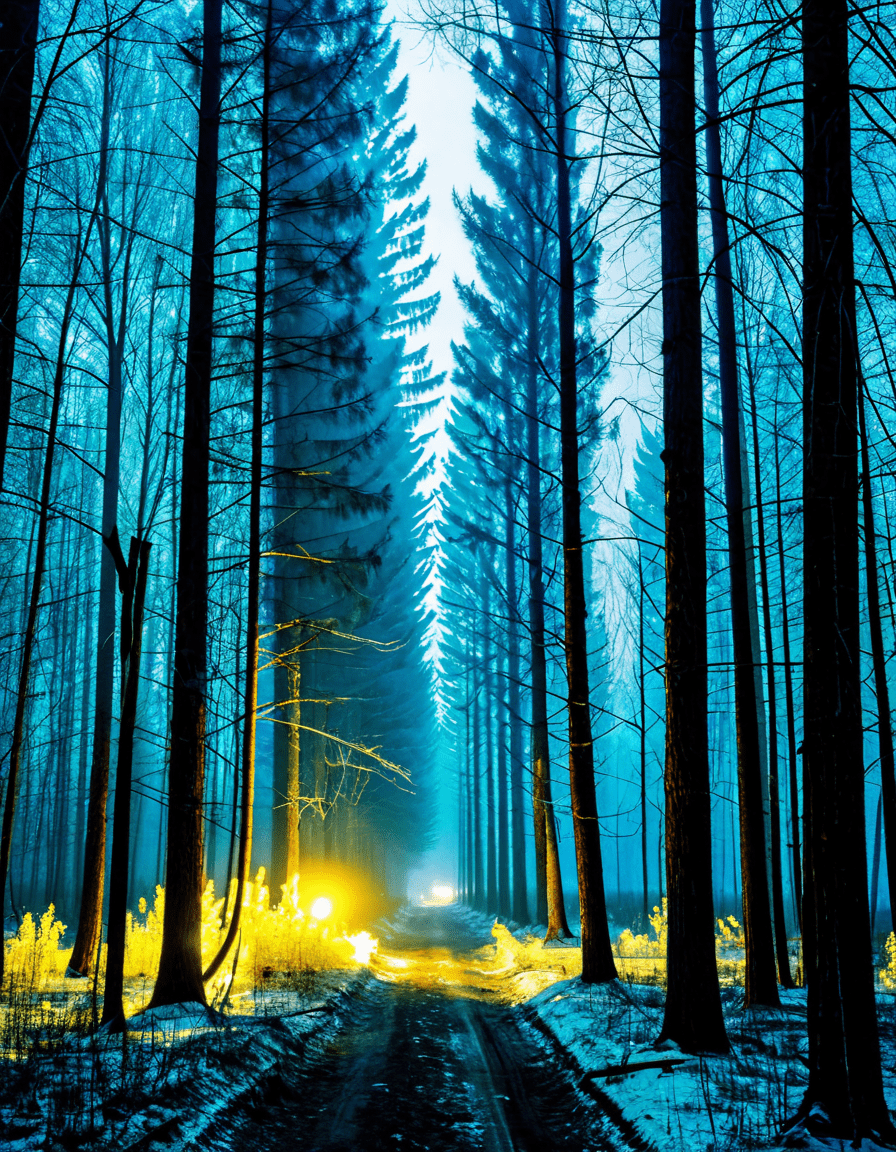
1. Immediate Radiation Release
The explosion let loose about 400 times more radioactive material than what was unleashed during the atomic bomb drop on Hiroshima. Talk about a staggering difference! The immediate aftermath saw not just horror but also a quick increase in acute radiation syndrome cases among emergency responders, with 53 tragic deaths. The radioactive cloud drifted across Europe, leading to widespread contamination, turning a cold war crisis into a public health nightmare.
2. Long-Term Health Consequences
This is where it gets even more unsettling. Areas like Belarus and Ukraine have seen a marked rise in thyroid cancer among children, with estimates indicating over 6,000 cases linked directly to fallout from the Chernobyl disaster. The World Health Organization has since highlighted not just physical health issues but also psychological ones—stress and anxiety regarding potential radiation exposure took a toll on community well-being. Imagine living under that cloud of uncertainty; it’s a heavy burden to bear.
3. Ecosystem Disruption and Recovery
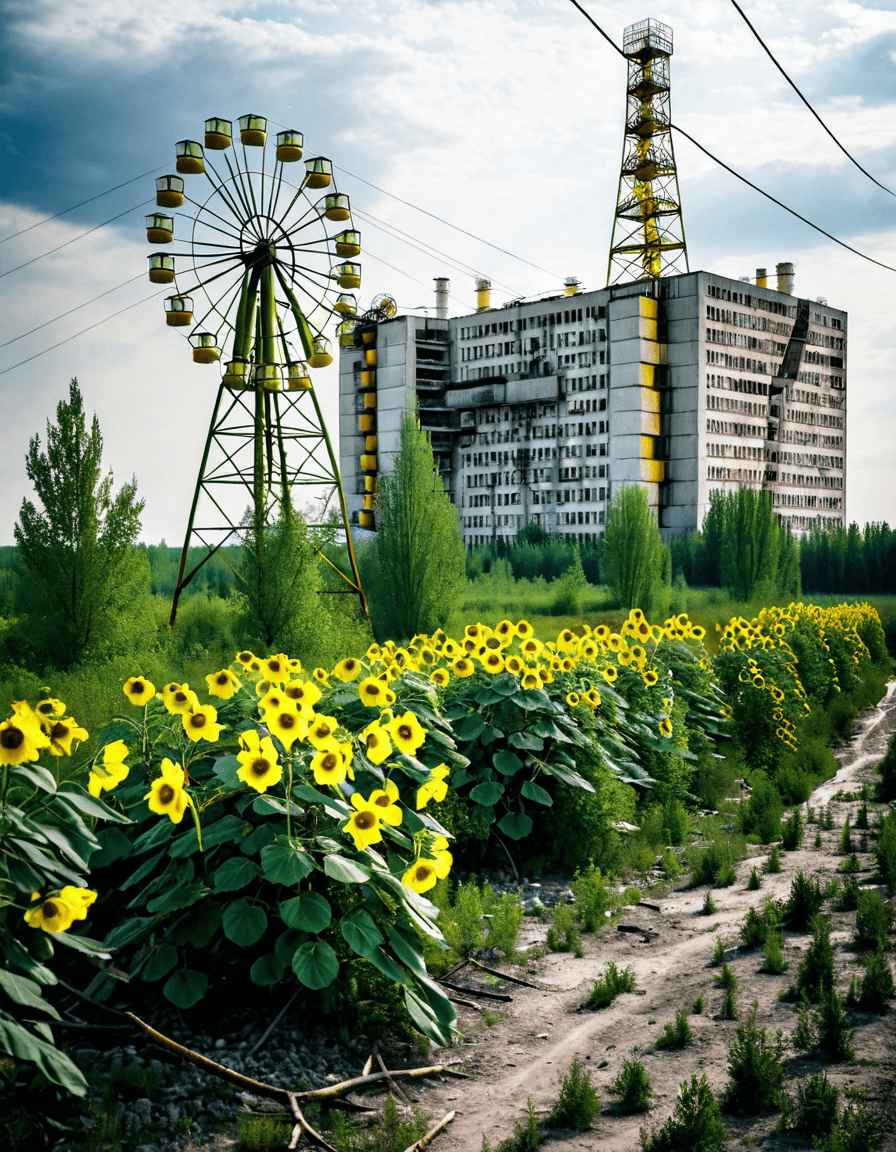
Seemingly paradoxical, the Chernobyl exclusion zone has morphed into an unexpected wildlife sanctuary. Amidst the wreckage, species like wolves, wild boar, and even Przewalski’s horses have shown a resilience that’s both surprising and enlightening. This radioactive wasteland has drawn scientists eager to study how life adapts even in the direst conditions—a chance to look closely at nature’s tenacity, wouldn’t you say?
4. Shift in Nuclear Policy Globally
The fallout from the Chernobyl disaster didn’t just remain in Ukraine; it rippled worldwide. Countries like Germany, in the wake of this event, began adopting nuclear phase-out policies—the Energiewende initiative, for instance. Meanwhile, other nations reviewed their safety protocols, tightening up regulations to avoid a similar catastrophe. Chernobyl served as a sobering reminder, prompting organizations like the International Atomic Energy Agency (IAEA) to step up international nuclear safety standards. It’s like a government-sanctioned wake-up call.
5. Cultural and Social Ramifications
Chernobyl’s influence extends into culture itself, manifesting in films, literature, and even video games. Remember the HBO miniseries “Chernobyl”? It brought the pain, suffering, and the societal ramifications right into living rooms across the globe, shining a stark light on not just the disaster but also how the Soviet regime handled the crisis—poorly, to say the least. The cultural legacy continues to shape our narratives, seldom allowing us to forget the lessons imparted.
6. Economic Impact and Reconstruction Costs
To put it plainly, the financial burden of the Chernobyl disaster is staggering. Estimates for containment and decommissioning efforts have hit over $235 billion. It became clear pretty fast that the ramifications were more than just environmental—they were deeply economic. Hard-hit areas still lean on international aid; many towns remain uninhabitable, with their residents forever displaced.
7. Technological Advancements in Nuclear Safety
The Chernobyl disaster paved the way for significant advancements in nuclear safety. Engineers and scientists began rethinking design elements; the development of the AP1000 reactor by Westinghouse is a prime example. This design placed an emphasis on passive safety features, making it a far cry from the vulnerabilities of the past. The lessons learned here remain vital, reminding us how essential it is to marry technological advances with operational integrity.
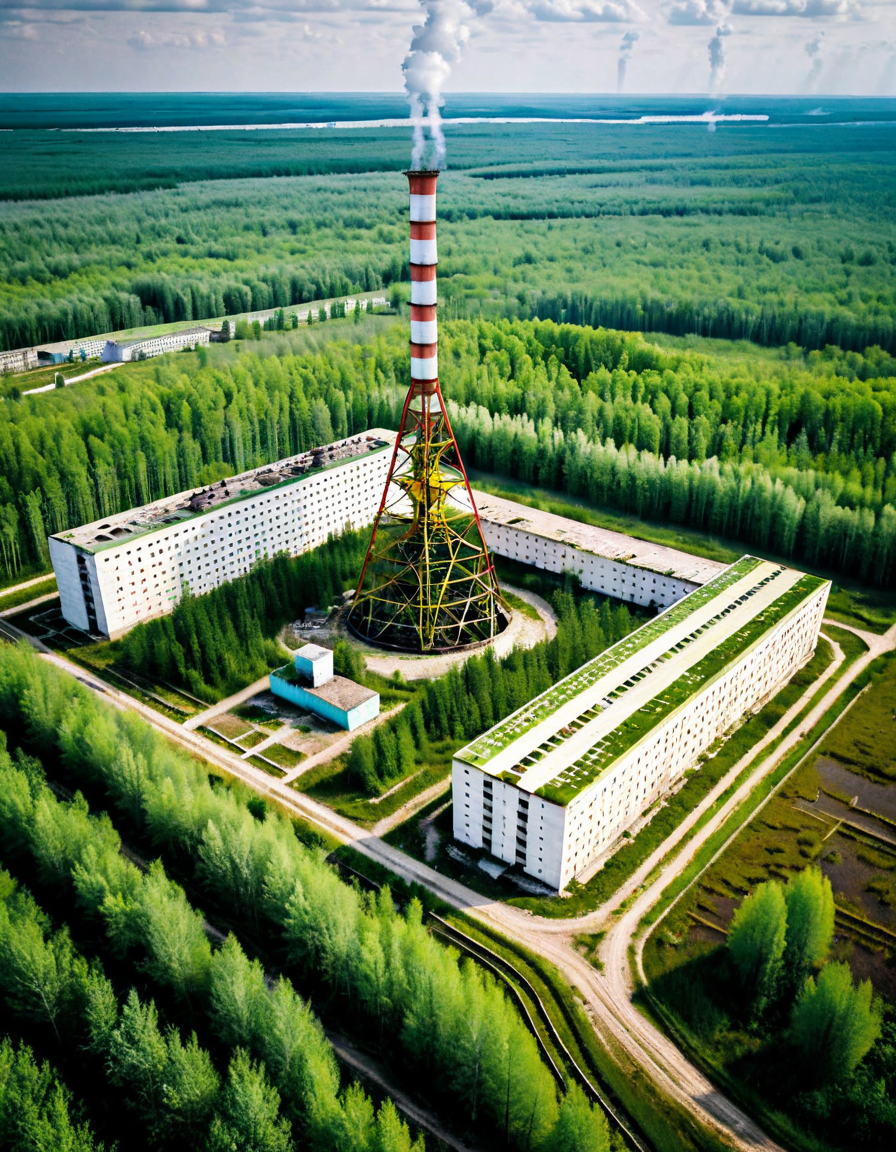
Revisiting Chernobyl: A Global Reflection
As we look back on the Chernobyl disaster three decades later, its impact continues to reverberate through environmental policies, public health initiatives, and societal attitudes towards nuclear energy. This event reshaped not just the lives of those directly affected but also global strategies regarding energy and preparedness for emergencies. Fast forward to 2026, and the lessons from Chernobyl ring louder than ever, urging us to balance technological advancements with emotional and ecological responsibilities.
In an age where energy demands grow and climate change looms large, Chernobyl stands as a timeless warning, compelling us to tread carefully. The beauty of progress must always be weighed in the light of responsibility. Let’s face it—our future hinges on the choices we make today, and the echoes of the Chernobyl disaster remind us to remain vigilant. Whether it’s debating the merits of new energy sources or assessing risks in our everyday lives, the ghosts of Chernobyl ask us to hear their stories, learn from them, and act accordingly.
Chernobyl Disaster: Trivia and Interesting Facts
The Unforgettable Fallout
The Chernobyl disaster of 1986 remains one of the most shocking events in history, but did you know that it wasn’t just the explosion that caused devastation? After the meltdown, the surrounding landscape became an eerie ghost town, giving rise to curious hashtags like #ChernobylSightseeing. Fortunately, some filmmakers, like those behind Ultramarine, have captured the haunting beauty of this place, shining a light on its remains. And in a way, the disaster’s long-term effects have inspired stories across various entertainment industries, even influencing films as iconic as Jurassic The Park, where the catastrophic aftermath evokes themes of nature reclaiming its territory.
Lives Changed Forever
In the years following the Chernobyl disaster, many brave souls, from firefighters to scientists, risked their lives to contain the catastrophe and support those affected. However, the human toll was staggering. Lactose-free diet, once thought a luxury, became a necessity for many residents dealing with health issues raised from radiation exposure. What’s more, the aftereffects went beyond just physical ailments. Families were torn apart, economies shifted, and lives were forever altered—as heartbreaking as losing a champion athlete like Ray J, whose perseverance resonates even in difficult times.
A Surprising Legacy
The legacy of the Chernobyl disaster extends beyond health concerns and personal stories. Today, it serves as a cautionary tale regarding nuclear energy. Interestingly, the site has transformed into a bizarre tourist attraction, drawing people from all walks of life, much like fans flocking to see the latest Resort Wear collections or seeking out gifts that celebrate historical landmarks. While the radiation level remains elevated, tours often tell visitors about the resilient wildlife returning to the abandoned areas—truly a reminder of nature’s power to adapt. This connection can be compared to the unpredictable yet thrilling experience of riding a Wave Runner, where one must respect the forces at play.
Overall, while the Chernobyl disaster left a dark mark on history, it also sparked discussions about energy safety, environmental resilience, and human endurance. The stories from this event remind us that even in the direst circumstances, life finds a way.