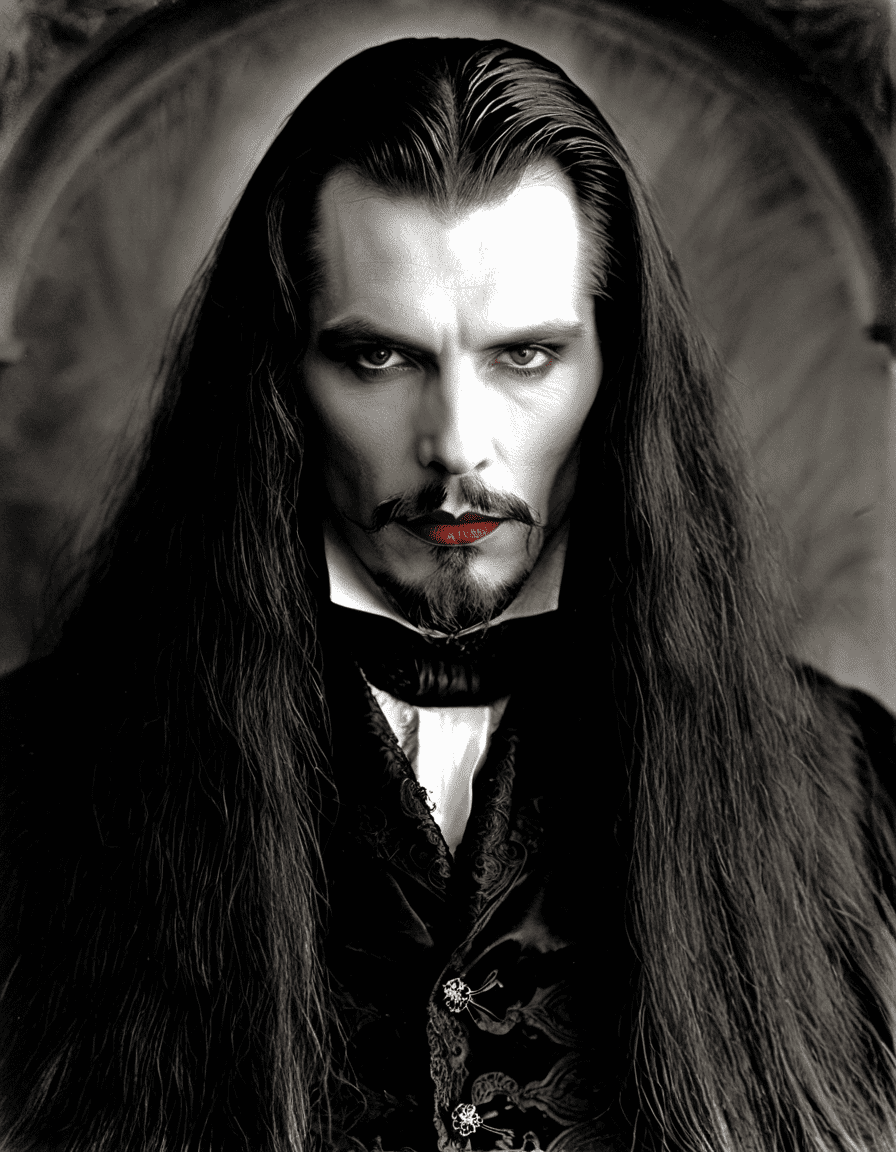
Bram Stoker’s Dracula is not just a book; it’s a cultural landmark that still echoes through the ages, firmly establishing itself as the pinnacle of Gothic horror. Published in 1897, this novel has spawned countless adaptations and discussions, igniting imaginations across generations. What makes Dracula resonate even today? Let’s dive into seven essential elements that not only redefine Gothic horror but solidify Stoker’s creation as an enduring classic.
## Bram Stoker’s Dracula: The Ultimate Gothic Horror Masterpiece
1. Epistolary Format
Stoker employs a captivating epistolary format that sets Dracula apart from conventional narratives. By utilizing diary entries, letters, and newspaper clippings, the story unfolds through varied perspectives. This technique breathes life into the narrative, making horror feel alarmingly real.
For instance, when Jonathan Harker first encounters Dracula, you experience his inner turmoil first-hand. Recent adaptations, like the 2020 miniseries Dracula, attempted to recapture this innovative storytelling style, albeit with creative divergences from Stoker’s original fear-inducing tone.
2. Complex Characterization
Stoker’s characters aren’t one-dimensional cliches stuck in typical Gothic tropes. Take Mina Harker, for instance. She embodies both victim and heroine, brilliantly showcasing dualities like love and horror, morality and depravity. In contrast, while Victor Hugo’s Les Misérables also presents multifaceted characters, Stoker’s character arcs are more immediate and deeply tied to societal issues, like the evolving role of women in the 19th century.
Mina’s strength balanced with vulnerability portrays a profound reflection of contemporary worries. It’s fascinating how her struggles resonate with discussions around female empowerment even today.
3. Symbolism of the Night
The allure of night plays a pivotal role in creating the gothic atmosphere of Dracula. Stoker expertly employs darkness as a medium for fear and temptation, diving into vast pools of human anxiety.
Modern interpretations often scrutinize this theme, like examining Dracula as a metaphor for Victorian-era subconscious fears, particularly concerning sexuality. This timeless psychological exploration renders the novel far more significant than mere scares.
4. The Concept of the Other
At its core, Dracula isn’t just about a vampire; it’s a reflection on the societal “Other”—the foreign and the unknown. Dracula challenges the Victorian norms, portraying how outsiders threaten stability in an era resisting change. This theme remains vital in today’s discourse around globalization and nationalism.
For example, if we take a recent show like Penny Dreadful, it echoes Stoker’s exploration of the Other. It’s intriguing to recognize how fears of cultural dislocation and societal upheaval persist through narrative mediums, continuing to haunt our collective conscience.
5. Scientific Undertones
Stoker’s work intriguingly juxtaposes science and superstition. The Victorian anxiety over modernity and the rise of science is palpable in Dracula.
Readers find echoes of this tension in contemporary fiction as well. Claire North’s The First Fifteen Lives of Harry August demonstrates a modern take on personal and scientific exploration. This blending of thematic elements showcases an enduring battle between reason and faith.
6. Cinematic Adaptations and Cultural Impact
The countless adaptations of Dracula, spanning from the silent film Nosferatu to Francis Ford Coppola’s lush 1992 retelling, speak volumes about its cultural significance. Each cinematic rendition raises the stakes by reinterpreting themes of desire and horror through fresh lenses.
To illustrate, Netflix’s recent Dracula series revitalizes exciting social issues while preserving the gothic essence. This continual reimagining testifies to Stoker’s narrative power and ability to evolve with the times, making it endlessly relevant.
7. Legacy Within Gothic Literature
Finally, we can’t overlook the legacy Stoker left in the landscape of Gothic literature. His archetype of the vampire has morphed, visible in works from Anne Rice’s The Vampire Chronicles to Stephenie Meyer’s Twilight.
These narratives intermingle romance with horror, showcasing how Stoker’s conception of blood-suckers winds through various genres—always haunting, always captivating.
The Gothic Revival’s Enduring Influence in Popular Culture
Bram Stoker’s Dracula is more than a staple of literature; it’s a driving force in contemporary culture shaping horror narratives and Gothic aesthetics. The modern gothic revival often revisits Stoker’s motifs, feelings, and innovations, illustrating how timeless these themes are.
As we survey today’s narratives focused on identity, fear, and xenophobia, Dracula serves as a crucial reference point. Its undercurrents encourage us to confront our own fears—fears regarding the unfamiliar, societal change, and ultimately, our personal shadows.
To wrap things up, the legacy of Bram Stoker’s Dracula transcends its time, challenging each generation to confront its own gothic fears while appreciating the roots that shaped modern horror. It isn’t just a piece of literature; it’s a mirror reflecting history’s most primal fears—forever compelling us to peer into the darkness that lurks within ourselves.
In a world where the lines between the monstrous and mundane often blur, Dracula opens up a dialogue about fear, identity, and cultural transformation. Undoubtedly, this classic will remain a touchstone of literary analysis and cultural critique for years to come, urging us to explore the deeper shadows lurking within.
Whether you’re thinking about horrifyingly clever podcast adaptations or diving into intimate debates on alternate identities mirrored in societal landscapes, Stoker’s Dracula remains a springboard into the nuances of Gothic horror—always relevant, always profound.
For an even deeper dive into cultural discussions, check out articles like this one on What ‘s a narcissist, or brush up on romantic perspectives in modern storytelling with facets of mama Mia. Whatever you choose, Stoker’s masterwork is sure to inspire and provoke thought, making it a relevant part of any modern literary or cultural analysis.
Bram Stoker’s Dracula: The Ultimate Gothic Horror Masterpiece
Curious Tidbits about Bram Stoker’s Dracula
Did you know that Bram Stoker never actually visited Transylvania? It’s true! The author relied on books and resources available to him, crafting a vivid setting through imagination. This may seem odd, especially considering how vividly he depicted the eerie landscapes. Much like Mike Tyson’s journey from a troubled youth to a boxing icon, Stoker’s transformation of researched folklore into a chilling narrative reflects a creative metamorphosis that keeps readers on the edge of their seats. The character of Count Dracula has left an indelible mark on literature and cinema, inspiring countless adaptations, much like the character development seen in movies like Kung fu Panda 2, where layers of complexity unfold.
Speaking of adaptations, one of the most interesting tidbits about Dracula is how its portrayal of relationships and sexuality reflects the era it was written, echoing the themes of pociciones sexuales in contemporary discussions around love and intimacy. Stoker navigated the societal norms of the Victorian period, intertwining fears of the unknown with raw desire—something that keeps audiences invested even today. It’s fascinating to consider how hidden meanings and societal commentary can push a narrative forward, rather like learning about various loans when someone explores a new financial landscape, such as that of a no credit history loan.
Lastly, Stoker wasn’t just a writer; he was a diligent researcher who immersed himself in various topics for inspiration. His explorations extended beyond vampires to include other historical figures. Fun fact: he had a particular interest in Frances Langford, a famous American singer and actress. This fascination subtly influenced his perspective on fame and its vacuous allure, much like how the cast Of Civil War 2025 film reflects current societal concerns through a historical lens. Stoker’s Dracula may have introduced audiences to the supernatural, but it also held a mirror to society, making it a truly timeless piece of literature.