Animation has transformed into a groundbreaking medium by 2026, bringing forth narratives that were once mere figments of imagination. With the fusion of artistry and technology, animation captivates audiences with stories that stretch the limits of creativity. Whether it’s in films, TV shows, or even educational content, animation plays a vital role in enriching our experience of storytelling. So, let’s dive into the top ways animation has redefined extraordinary storytelling!
Top 7 Ways Animation Transforms Extraordinary Stories
Animation has proven to be more than just a form of entertainment; it’s become a powerful vehicle for exploration, inspiration, and education. From the integration of technology to bridging generational gaps, here’s how animated storytelling is evolving.
1. Storytelling through Technology: Integrating Robots and AI
In today’s animation landscape, there’s a notable surge in the use of robots and artificial intelligence. Projects like “Big Hero 6” have shown how animation can spark fascination with robotics, making tech engaging for kids and adults alike. This integration of advancement has empowered creators, allowing them to leverage tools like motion capture and CGI to craft compelling characters. These characters, draped in a rich tapestry of humor and emotion, invite viewers to explore themes close to their hearts—bringing both entertainment and enlightenment alive.
Animation studios are also incorporating AI-driven innovations that tweak and enhance the storytelling process. This means diverse voices can tell their tales, dynamically adjusting character arcs and narratives to resonate even more with audiences. It’s a new era of animated storytelling where tech innovation intertwines seamlessly with creativity.
2. Nickelodeon’s Impact: Redefining Youth Perspectives
Nickelodeon, a titan in children’s programming, has significantly shaped how young viewers engage with stories. Shows like “Avatar: The Last Airbender” delve into intricate themes like cultural diversity and moral dilemmas. With relatable characters navigating life’s ups and downs, Nickelodeon’s approach paves the way for essential conversations about acceptance, empathy, and personal growth.
Moreover, shows such as “The Loud House” offer a hilarious take on family dynamics, showcasing diverse family structures that reflect today’s society. By making complicated themes approachable for kids, Nickelodeon nurtures an entire generation capable of broadening their horizons early on.
3. Disney’s Continued Legacy: Fostering Imagination through Animation
Disney’s storytelling artistry remains unmatched, continuously feeding our imaginations. Films like “Encanto” highlight how captivating visuals promote cultural reflection. The vibrant colors and immersive music in “Encanto” create an emotional resonance, allowing audiences to deeply connect with the characters’ struggles and triumphs.
Disney’s legacy isn’t just about charming tales; it’s about crafting narratives that provoke thought and foster acceptance. By portraying familial struggles and magical realism, Disney succeeds in transforming fantastical stories into relatable life lessons, valuing imagination while keeping cultural integrity intact.
4. Cartoon Characters that Bridge Generations
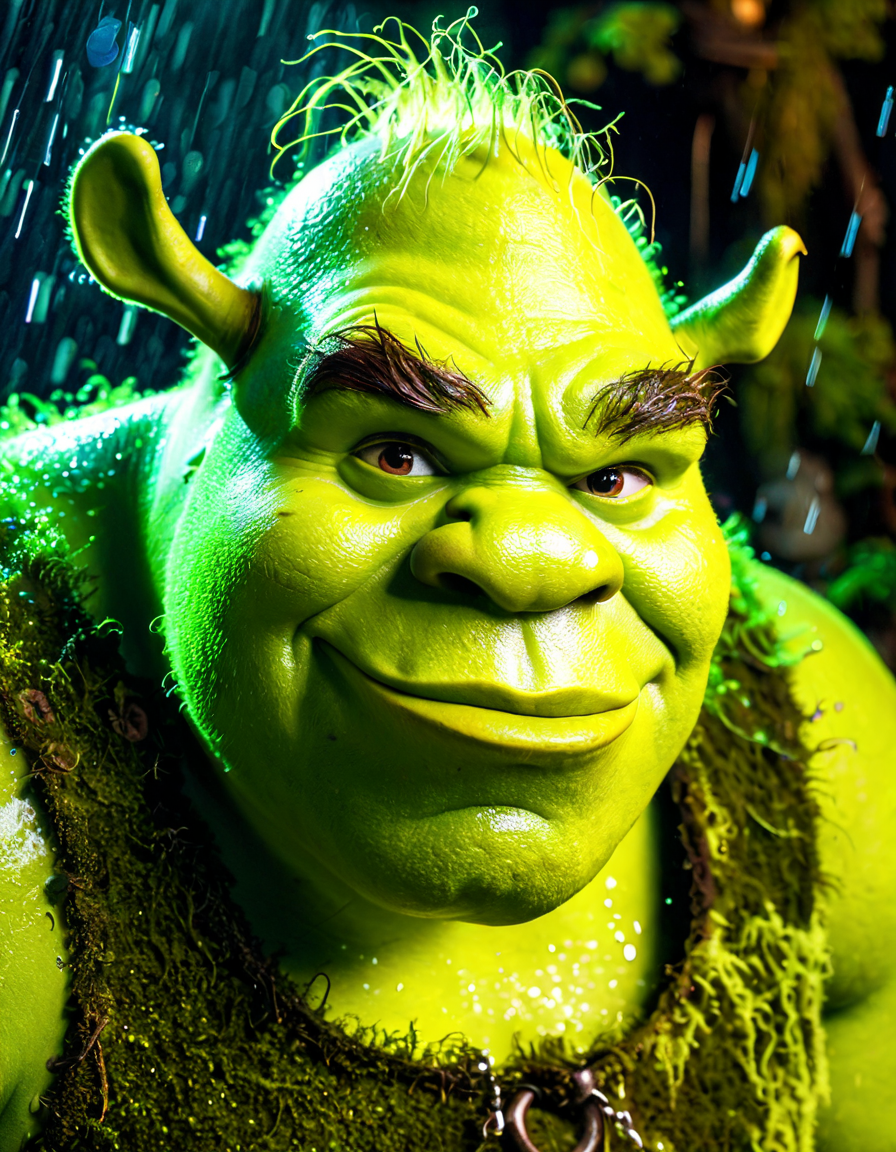
Some animated characters achieve cult status, becoming both beloved and timeless. Icons like Mickey Mouse, SpongeBob SquarePants, and Shrek have imprinted their values on audiences, making their lessons relatable across ages. These characters embody principles such as friendship, resilience, and humor that resonate with both children and adults, showcasing how animation captures our collective cultural understanding.
When families gather, these animated figures often become the heart of shared experiences. A simple quote from SpongeBob or an adventure with Shrek can spark a discussion that bridges generational gaps, keeping the conversation lively and relevant. Powerful storytelling combined with emotionally rich characters inevitably cements these tales into our hearts.
5. Animation in Education: The Role of Online Resources
Animation’s role in education has skyrocketed, especially as digital learning resurges. Platforms like Khan Academy utilize animated videos to break down complex concepts, making education accessible and enjoyable. Students now encounter subjects like math and science through visually captivating illustrations that make learning dynamic.
Through animation, challenging topics transform into thrilling discoveries. This combination of engagement and informatics creates memorable learning moments, helping students retain knowledge and inspire curiosity. Animation becomes a bridge, turning educational hurdles into exciting explorations.
6. Pioneering New Genres: From Silent Films to Vlogging
The animation genre is constantly evolving, spearheading creativity and pushing boundaries. Projects like “Rick and Morty” brilliantly blend dark comedy with existential questions. The show’s unconventional storytelling prompts discussions about life in a humorous yet thought-provoking manner.
Additionally, animated web series on platforms like YouTube address topical issues such as climate change and social justice, further extending the genre’s reach. These strides emphasize that animation is alive with endless possibilities, proving its relevance in modern cultural conversations.
7. Collaboration Beyond Borders: Globalizing Animation Storytelling
Animation knows no bounds, transcending geographical and cultural barriers. Collaborations like “The Breadwinner” highlight how animation can resonate across diverse cultures, melding styles and stories to create a tapestry of shared experiences. This synergy enriches narratives, offering fresh perspectives that promote understanding.
As more global collaborations emerge, the animation industry fosters a more inclusive storytelling realm. This approach not only showcases varied cultural narratives but also encourages empathy, reminding us of our shared humanity.
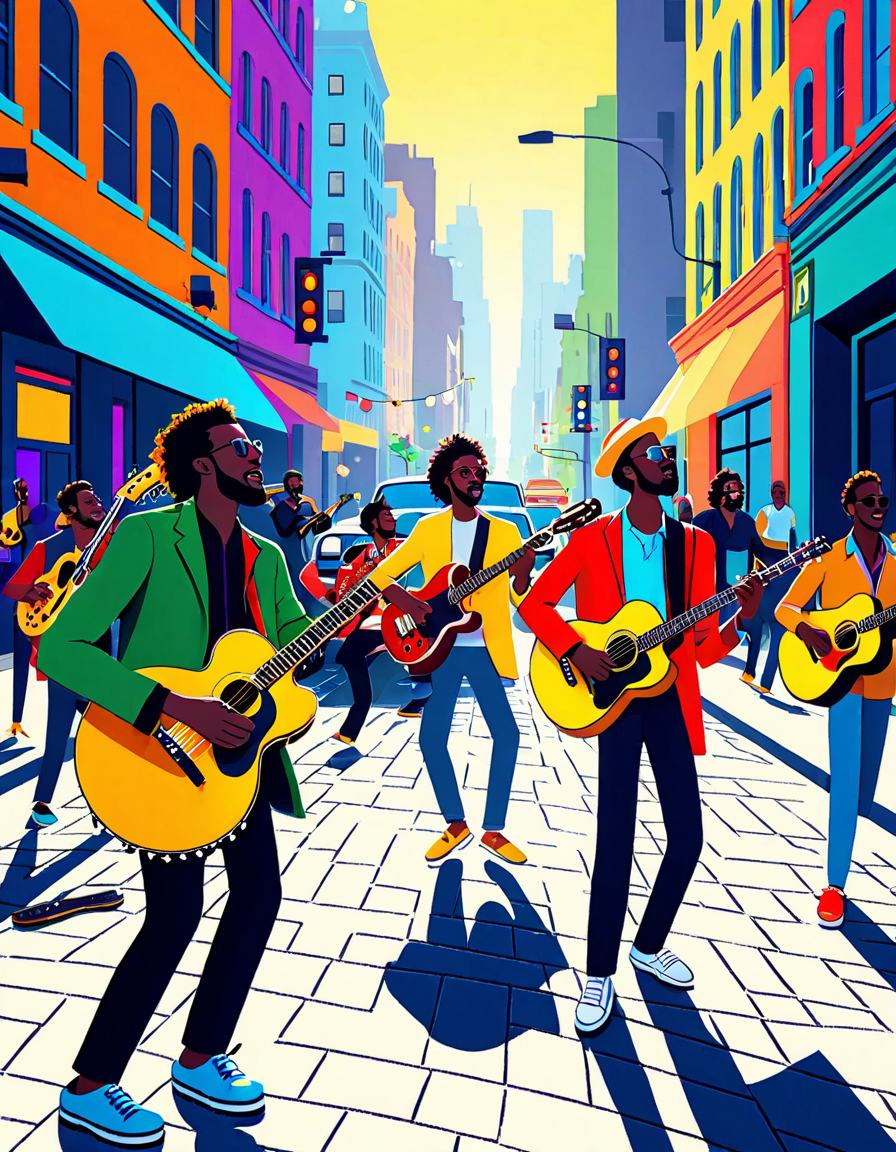
Bringing Extraordinary Stories Full Circle
As we stand in 2026, the significance of animation in storytelling cannot be overstated. It has the power to challenge notions, connect generations, and foster empathy across different cultures. Unique narratives will continue to thrive, thanks to technological advancements and creative talents pushing the envelope of animation.
Looking ahead, the potential for animation is boundless. It is poised to illuminate truths, bridge cultural gaps, and inspire future generations, reaffirming its essential role in our increasingly visual world. So, whether you’re a fan of Disney, a Nickelodeon enthusiast, or a lover of transformative educational tools, keep your eyes peeled; animation’s journey is just beginning, and it’s bound to leave a profound mark on storytelling for years to come.
Animation: The Art of Bringing Stories to Life
The Origins and Evolution of Animation
Did you know that animation has roots going back to ancient civilizations? Even before the advent of digital technology, people were creating moving pictures as far back as 30,000 years ago with cave paintings that appeared to tell stories of hunts and daily life. Fast forward to the 20th century, and you’ve got groundbreaking films like Steamboat Willie, which showcased the iconic Mickey Mouse. That film was a game changer, establishing animation as a serious art form. As you dive into the nuances of what it means to be in the 1 percent regarding talent in this industry, consider how select figures, akin to the enigmatic Hedy Lamarr, influenced not just film but technology as well, blending creativity with practicality.
Trailblazers and Artistic Innovations
Animation is more than just funny characters and catchy tunes—it’s a medium that crosses boundaries and even resonates with social issues. For instance, the television show In Living Color pushed the envelope with its comedic yet poignant portrayal of various cultural experiences. You might be surprised to know that even animation reflects this diversity; the style and themes have branched into so many directions based on societal changes. Plus, haven’t you noticed how voice actors like Morfydd Clark are becoming household names as animated films gain mainstream appeal? There’s a certain magic behind how stories can be spun into engaging narratives that captivate all ages.
Animation’s Influence on Pop Culture
Ever wondered how animated flicks weave their way into our collective psyche? From Vegas Vacation, with its quirky and humorous approach, to celebrity portrayals of characters like Mj, animation brings both nostalgia and innovation to contemporary storytelling. Films often explore themes that resonate deeply, such as societal struggles and personal triumphs, similar to how the tragic story of the Black Dahlia continues to fascinate the public today. Corporate Retreats often incorporate animated presentations to catch the attention of participants, showcasing just how versatile the medium has become. Animation isn’t just for kids; it’s a cultural powerhouse, continuously adapting to tell stories that reflect both historical contexts and modern sensibilities.
In short, animation taps into the essence of storytelling—whether it’s through time-honored traditions or new-age graphics, this artistic style remains a vibrant and essential part of our sharing of human experiences.